
Burbank Property Deed Records
Deed records for Burbank are kept by Los Angeles County Recorder in Norwalk. The city does not maintain its own property files. All deed transfers in Burbank go through the county system. You can search these records online from 1977 to now or visit the recorder office for older documents. Burbank has over 107,000 people and sits in the San Fernando Valley next to Glendale. The city is known for its media and entertainment industry but property records follow the same process as every other LA County city. The county recorder handles millions of transactions each year for all 88 cities in the county.
Burbank Quick Facts
LA County Recorder
Los Angeles County Recorder handles all deed filings for Burbank. The main office is at 12400 East Imperial Highway in Norwalk which is about 25 miles southeast of Burbank. Hours are Monday through Friday from 8am to 5pm. You can call (800) 201-8999 or email recorder@rrcc.lacounty.gov with questions.
Burbank residents can file deeds by mail, in person, or through electronic recording. Most title companies and real estate attorneys use eRecording because it is faster. Documents submitted electronically often process the same day. Paper deeds can take several days to a few weeks depending on how busy the office is.
For more information about Los Angeles County's deed recording services, visit the Los Angeles County deed records page where you can find detailed information about the recorder office, fees, online databases, and how to search for property documents throughout the county including Burbank and all 88 LA County cities.
Find Burbank Deeds Online
LA County uses LexisNexis for online deed searches. Go to paymentsolutions.lexisnexis.com/ca/co/rrccrecords to access the portal. You can search by name, document number, or legal description. The database goes back to 1977. Older records are on file at the Norwalk office but not online.
To search by name, enter the last name first. The system shows all matching deeds in LA County. Click one to see the basics like date recorded and document number. If you want the full deed image, you must pay. Fees are per document. Certified copies cost more than plain copies because they include the county seal.
Most Burbank property deeds are grant deeds. These are the standard type for home sales. The seller grants the property to the buyer. Under California law, this implies the seller has not sold it to anyone else and there are no hidden liens besides what the deed lists. Quitclaim deeds are also common for transfers between family or to fix title issues.
The online search covers all of LA County. When you search, you may see deeds from other cities too if the person you are searching for owns land in multiple places. Pay attention to the legal description or address to make sure you have the right property. Burbank properties will have Burbank addresses.
Recording Fees
LA County charges $95 to record the first page of a deed. This includes the $15 base fee, $75 SB2 housing fee, and $5 fraud prevention fee. Each extra page costs $3. Most deeds are two or three pages. A three-page deed costs $101 total.
These fees are the same whether you live in Burbank or any other part of LA County. The county sets the fees. Cities do not charge separate recording fees. They only charge transfer taxes which are different. Transfer taxes are based on the sale price. Recording fees are based on the number of pages.
The city of Los Angeles has its own city transfer tax including the high Measure ULA tax on expensive properties. But Burbank does not have a city transfer tax. You only pay the county documentary transfer tax which is 55 cents per $500 of the sale price. This is the standard California rate. Closing costs in Burbank are lower than in LA city for this reason.
If you need a certified copy of a deed, the county charges $6 for the first page and $3 for each additional page. Certification adds the county seal and a signed statement. Courts and lenders require certified copies. Plain copies cost $5 for the first page but do not have the seal.
California Recording Laws
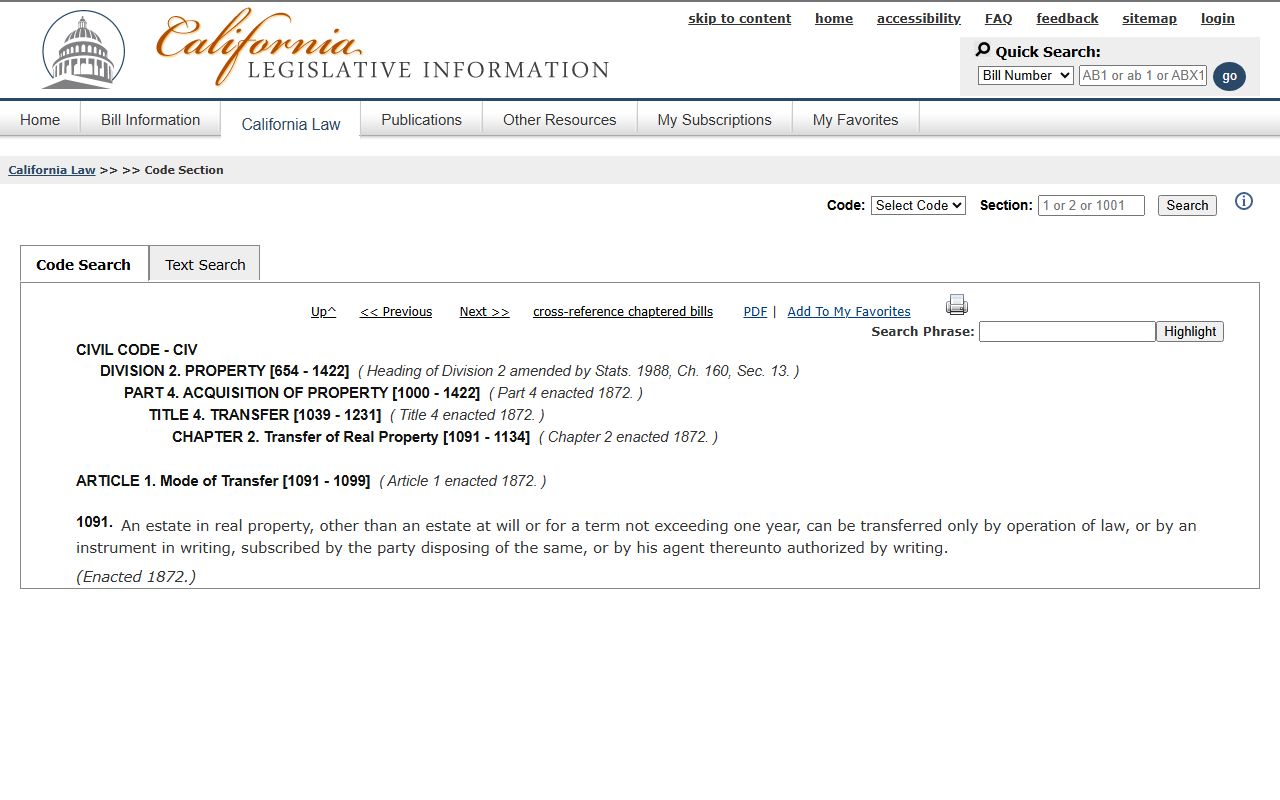
California has state laws that govern all deed recordings. These apply in Burbank and every other city. The main statute is California Civil Code Section 1091 which requires that real property transfers be in writing and signed. Another key law is California Government Code Section 27361 which sets the maximum recording fees counties can charge.
Grant deeds include implied covenants under Civil Code Section 1113 which says the grantor promises the property has not been conveyed to another person and is free from liens except those disclosed. These are automatic when you use the word grant. You do not have to spell them out in the deed.
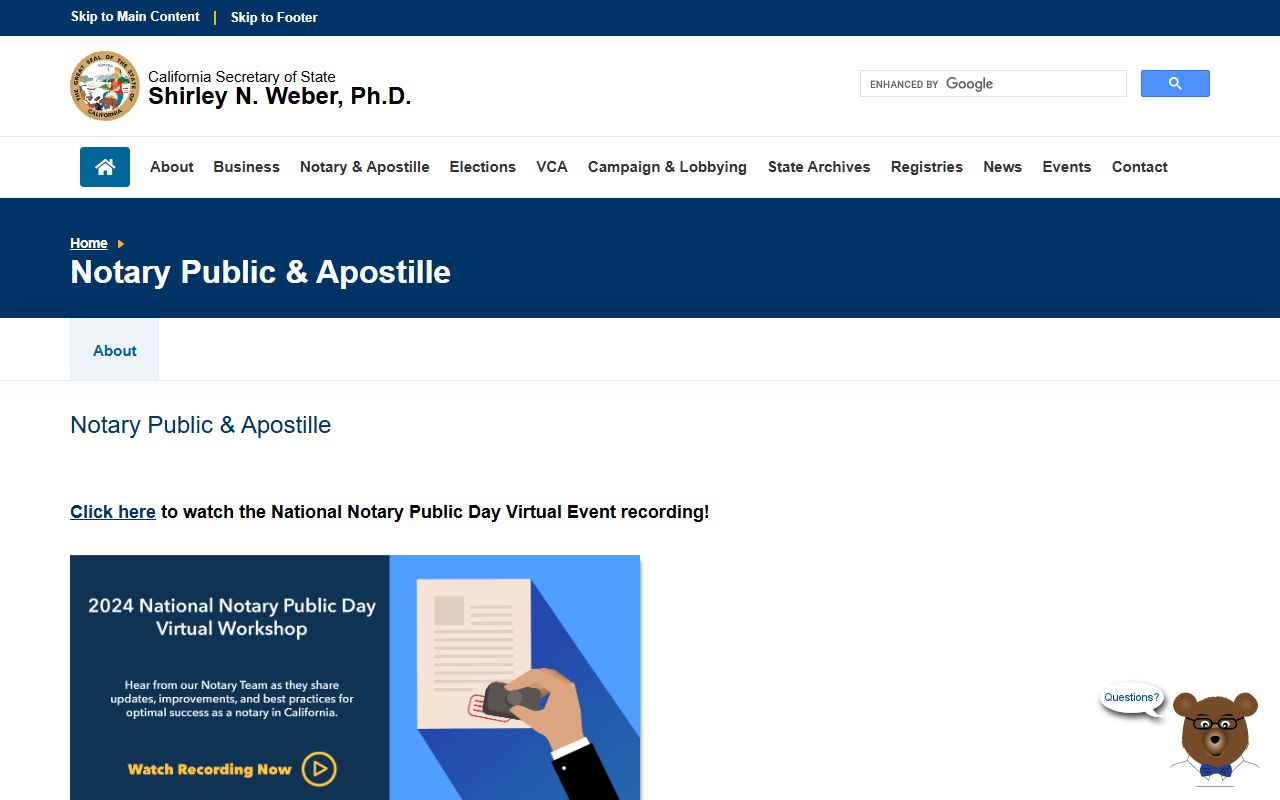
The Secretary of State oversees notary publics who must sign most deeds. Visit www.sos.ca.gov/notary to learn about notary requirements or to find a commissioned notary in your area. Deeds must be notarized to be recorded in California unless the law provides a specific exception.
Recording a deed gives constructive notice under Civil Code Sections 1213-1214 which establish California's race-notice recording system. The first buyer to record usually wins if there are competing claims. Always record your deed as soon as possible after closing.
Other LA County Cities
Los Angeles County has 88 cities total. All use the same county recorder in Norwalk. Other San Fernando Valley and nearby cities include:
All LA County residents file deeds at the same office regardless of which city they live in. Some cities like Los Angeles, Santa Monica, Culver City, and Pomona have their own additional city transfer taxes. Burbank does not have a city transfer tax. Check with your title company about local taxes before closing.