
Find California Deed Records
Each of California's 58 counties keeps deed records at the county recorder office. These files show who owns land and when it changed hands. You can search for deeds by name or address. Most counties let you look up records on their own web sites. Some have old files going back to the 1800s. Others start in the 1970s or 1980s. The state does not have one big database for all deed records in California. You must check the county where the land sits.
California Deed Records Quick Facts
County Recorders Keep Deed Records
California does not have a state-level deed database. Each county recorder maintains these files. The recorder is the official keeper of land records for that county. When you buy a home or get a deed, it goes to the county recorder. They stamp it, file it, and put it in the public index.
Every county has its own system. Los Angeles uses LexisNexis. San Diego uses Acclaim. Orange County runs RecorderWorks. Fresno and other Central Valley counties use Tyler Technologies. Some rural counties have no online access at all. You must visit in person or call the office. This makes searching harder if you do not know which county holds the deed.
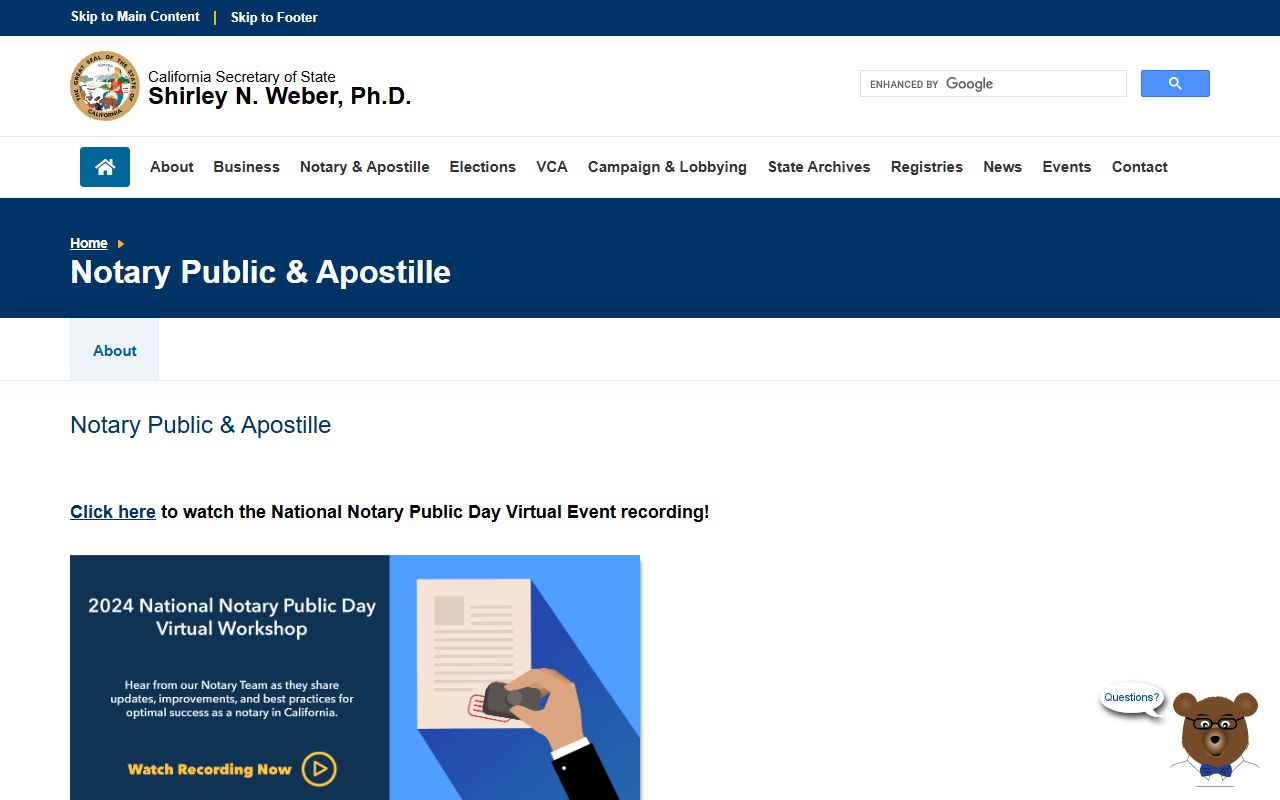
The Secretary of State oversees notary services across California, which ties into deed recording since most deeds need notarization before the county recorder will accept them. If you need to verify a notary who signed a deed, visit the Secretary of State notary page to check their commission status and confirm they were authorized at the time of signing.
County recorders do not give legal advice. They only record what you submit. If a deed has errors, they will still file it. The burden is on you to make sure the form is right. Most offices also handle vital records, business filings, and other county documents.
Search Deed Records Online
Most California counties offer online deed searches. You start by picking the county. Then go to their recorder web site. Each site looks different and uses different search tools. Some let you search by name. Others let you search by address or APN number.
A few years back, many counties shut down APN searches due to AB 1785. This law limited online access to parcel numbers. Now you have to use in-person kiosks at the recorder office if you want to search by APN in some counties like San Diego. Name searches still work online in most places. You type in the grantor or grantee name and hit search. The system shows a list of deeds that match.
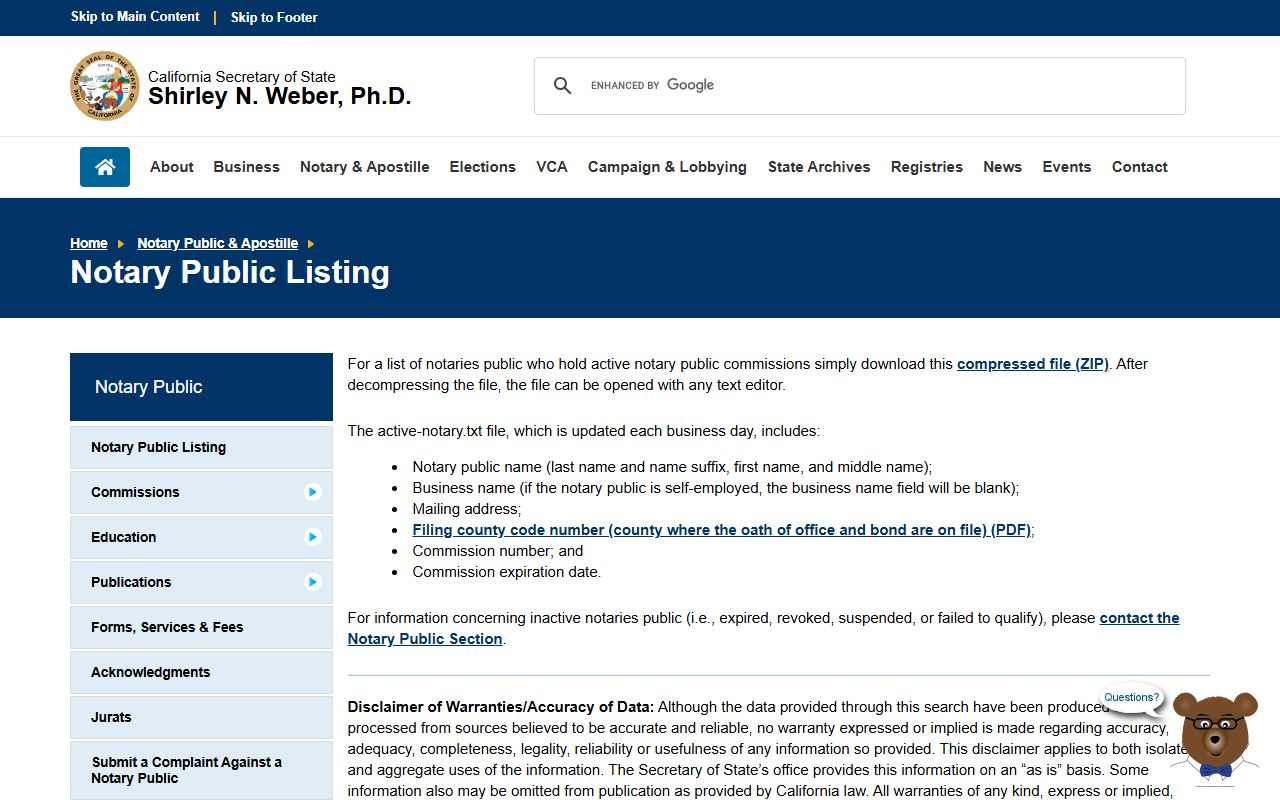
To download an active notary list from the state, check the Secretary of State notary public listing page where you can get a ZIP file of all commissioned notaries, which helps verify signatures on older deeds or confirm current notary credentials when preparing new documents for recording.
Some counties charge fees to view or print deeds. Others let you view free but charge for copies. Certified copies cost more than plain ones. If you need a certified deed for a legal matter, you must request it from the county recorder. Online copies are usually not certified unless you pay extra and they mail it to you.
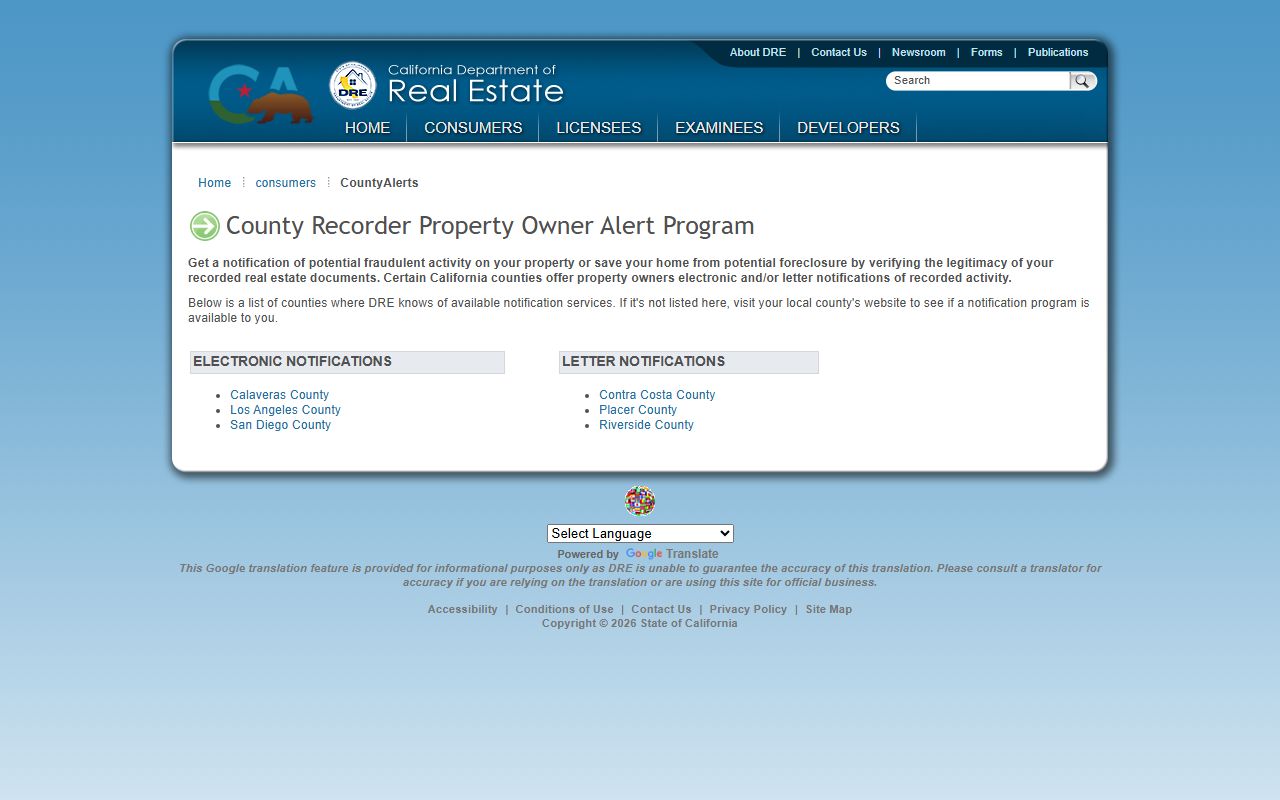
California has fraud alert programs in several counties where property owners can sign up to get notifications if someone records a deed on their property. The DRE consumer alerts page lists which counties offer these fraud protection services and provides links to enroll in notification programs that can help prevent deed theft or unauthorized transfers.
Search times vary. Big counties like LA and San Diego have millions of records. It can take time to load. Small rural counties have fewer files and search fast. Most systems go back 20 to 50 years online. Older deeds are on paper or microfiche at the county office.
Information in Deed Records
A deed is a legal paper that transfers ownership of real estate. It names the person who sells or gives the land away. That is the grantor. It also names the person who gets the land. That is the grantee. The deed describes the property using a legal description or parcel number.
Most deeds show the sale price or say it was a gift. If there is a documentary transfer tax, that amount appears on the deed. You can use the tax to figure out the sale price. California charges 55 cents per $500 of value under state law. Some cities add their own transfer tax on top of that. San Francisco and Oakland have high city transfer taxes. Santa Monica and Berkeley also charge extra.
Deeds list any conditions or restrictions. Some say the land cannot be subdivided. Others limit what you can build. Easements may appear if a neighbor has the right to cross your land or use part of it. Liens are not always on the deed itself but are filed separately in the recorder index. You have to search for liens by parcel number or owner name.
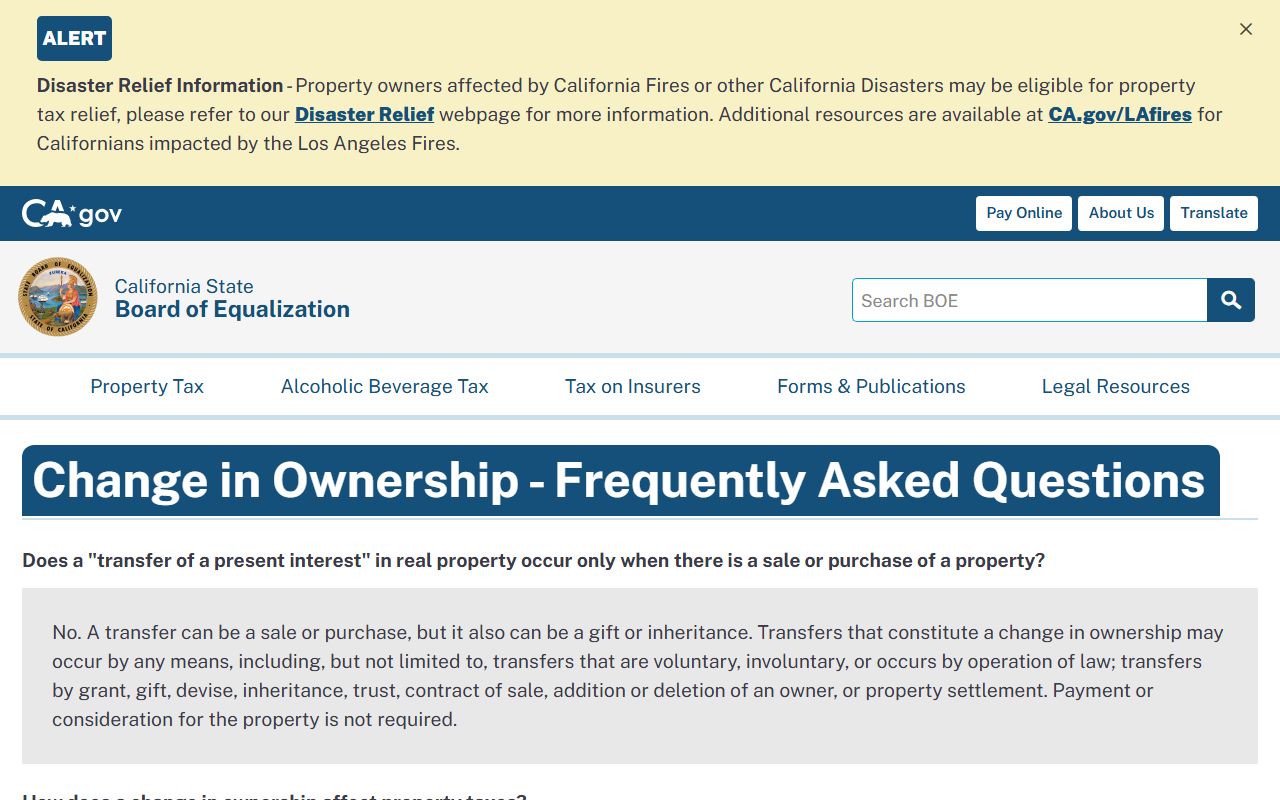
When ownership changes hands in California, sellers must file a Preliminary Change of Ownership Report along with the deed. The Board of Equalization FAQs page explains the requirements for this report and notes that failing to file it with your deed can result in a penalty of $100 or 10% of applicable taxes, whichever is greater.
Notary stamps and signatures go on every deed. The county will not record a deed without a notary. The notary confirms the grantor signed it willingly. If a deed is forged or the notary was fake, the transfer is void even if the county recorded it. Always check that the notary was licensed at the time they signed.
Common Deed Types
Grant deeds are the most common type in California. When you use the word grant in the deed, it implies certain promises under state law. The grantor promises they have not sold the land to anyone else. They also promise there are no hidden liens or claims except what the deed says. This is set by California Civil Code Section 1113, which spells out the implied covenants that come with using the word grant in a property transfer.
Quitclaim deeds have no promises at all. The grantor just gives up any claim they have. If they own nothing, you get nothing. Quitclaims work well for transfers between family or to clear up title issues. They are not safe for buying land from a stranger. You do not know what you are getting.
Warranty deeds are rare in California. They promise the title is clear and the grantor will defend it. Most people use grant deeds instead. Deeds of trust are different from regular deeds. They are used for loans. When you get a mortgage, you sign a deed of trust. It gives the lender a claim on your home if you do not pay. When the loan is paid off, a reconveyance deed removes the lien.
Transfer on death deeds let you name someone to get your home when you die. They avoid probate. The grantee does not own it while you are alive. You can cancel it any time before you die. Tax deeds come from unpaid property taxes. If you do not pay taxes for five years, the county can sell your land. The buyer gets a tax deed.
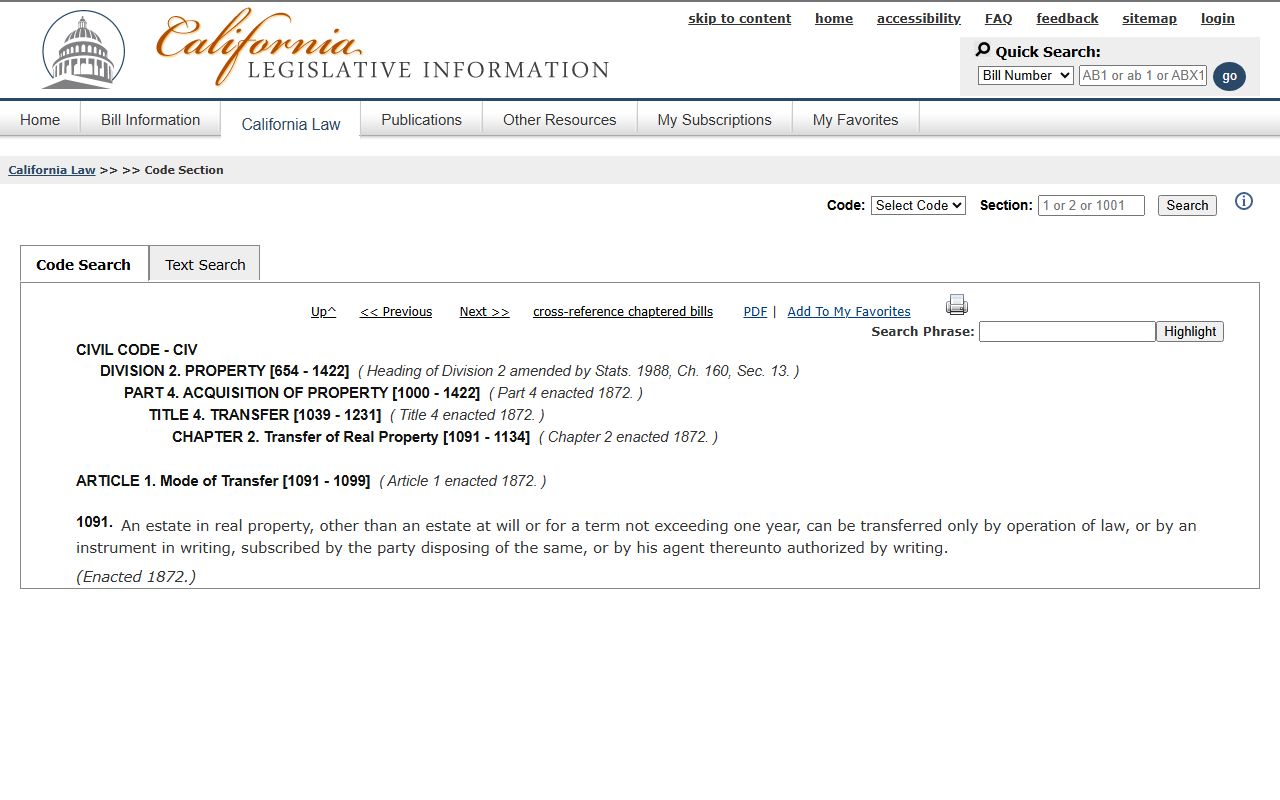
Under California Civil Code Section 1091, all transfers of real property must be in writing and signed by the party disposing of the property, which is why oral agreements to transfer land have no legal effect and why every deed must be a properly executed written instrument subscribed by the grantor.
Sheriff deeds result from foreclosure sales. When a lender forecloses on a home, it gets sold at auction. The high bidder gets a sheriff deed. Interspousal transfer deeds move property between husband and wife. They often get special tax treatment so the county does not reassess the value.
How Recording Works in California
To record a deed, you take it to the county recorder or mail it in. The recorder checks that it meets basic rules. It must be signed. It must be notarized. It must have the legal description. If it is missing required info, they reject it. Some counties are strict. Others are lenient.
The recorder assigns a number to each deed. This is the instrument number or document number. They also stamp the date and time on it. The date matters because California is a race-notice state. The first person to record usually wins if two people claim the same land. Civil Code Sections 1213-1214 establish that every recorded conveyance is constructive notice to subsequent purchasers and mortgagees, which means that once a deed is recorded, everyone is legally presumed to know about it even if they never actually saw it.
Fees vary by county but follow state guidelines. Government Code Section 27361 sets the base recording fees at no more than $10 for the first page and $3 for each additional page, though counties can add other statutory fees like the SB2 housing fee or the fraud prevention fee on top of these base amounts.
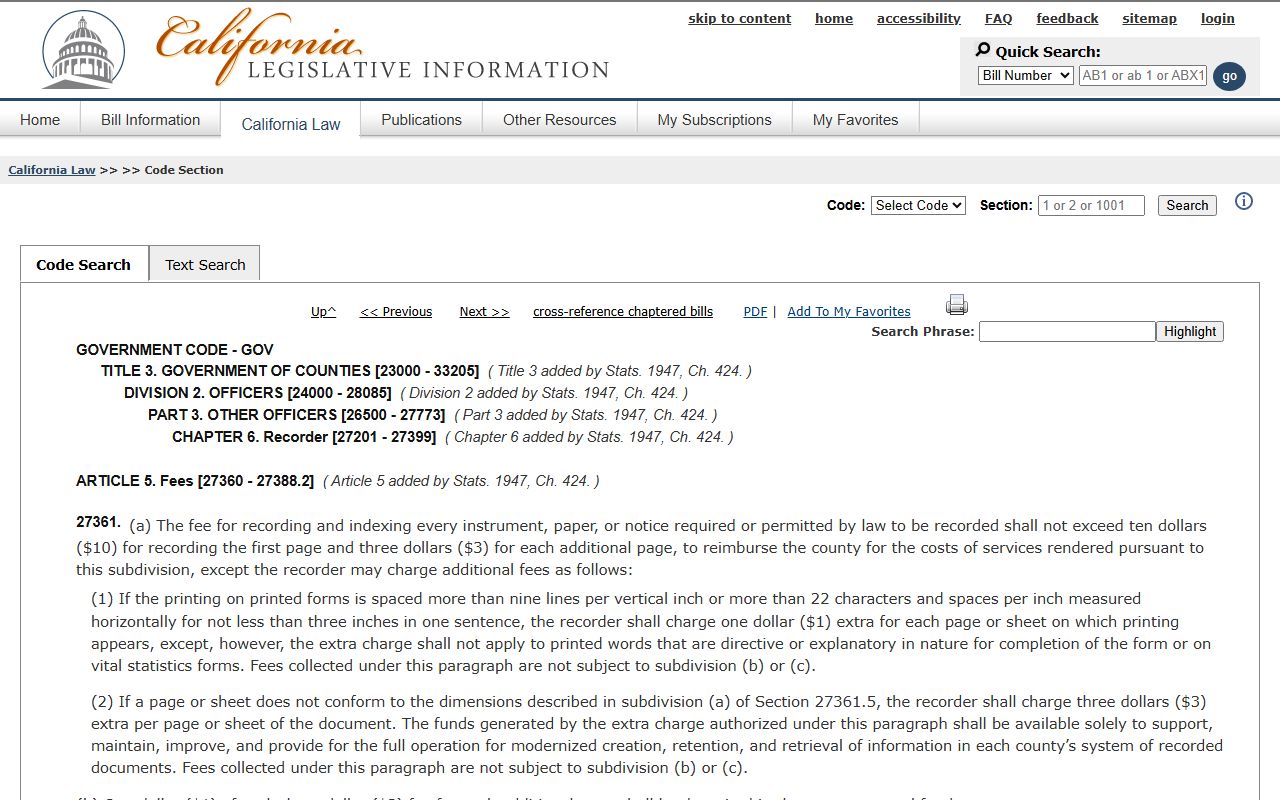
In practice, total recording fees often run much higher than the base amounts due to various add-on fees mandated by state law. SB2 adds a $75 fee per transaction to fund affordable housing. Some deeds hit a $225 cap on the SB2 fee. A $5 fraud prevention fee applies in many counties. Documentary transfer tax is separate and goes to the county and sometimes the city.
After recording, the deed goes into the public index. Anyone can search for it. The recorder mails the original back to you with their stamp on it. Keep this in a safe place. If you lose it, you can get a copy from the county, but certified copies cost money. The recorded deed proves you own the land. Without it, you may have trouble selling or refinancing later.
Electronic Recording Systems
Many California counties accept eRecording. This lets you submit deeds online without visiting the office. You use a certified vendor to upload the deed. The vendor sends it to the county. The county reviews it and records it electronically. The whole process takes hours instead of days.
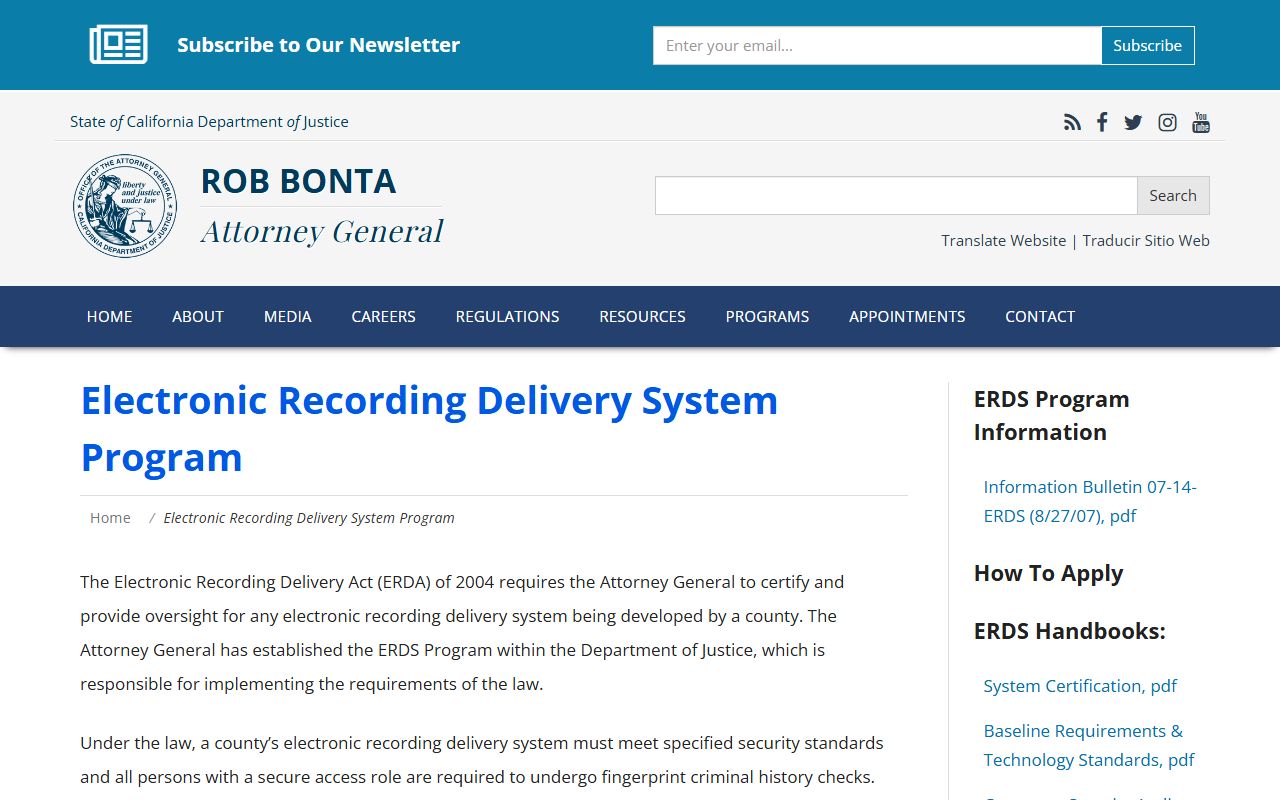
The Attorney General oversees electronic recording in California through the Electronic Recording Delivery Act of 2004. The AG ERDS program page provides information about the certification process and notes that county recorders are responsible for examining and recording all documents that deal with establishing ownership of land, whether submitted in paper or electronic format.
Not all counties offer eRecording yet. Rural counties lag behind urban ones. If your county does not have it, you must mail or hand-deliver deeds. Check the county recorder web site to see if they accept electronic submissions. If they do, you must use a certified vendor. The state keeps a list of approved vendors.
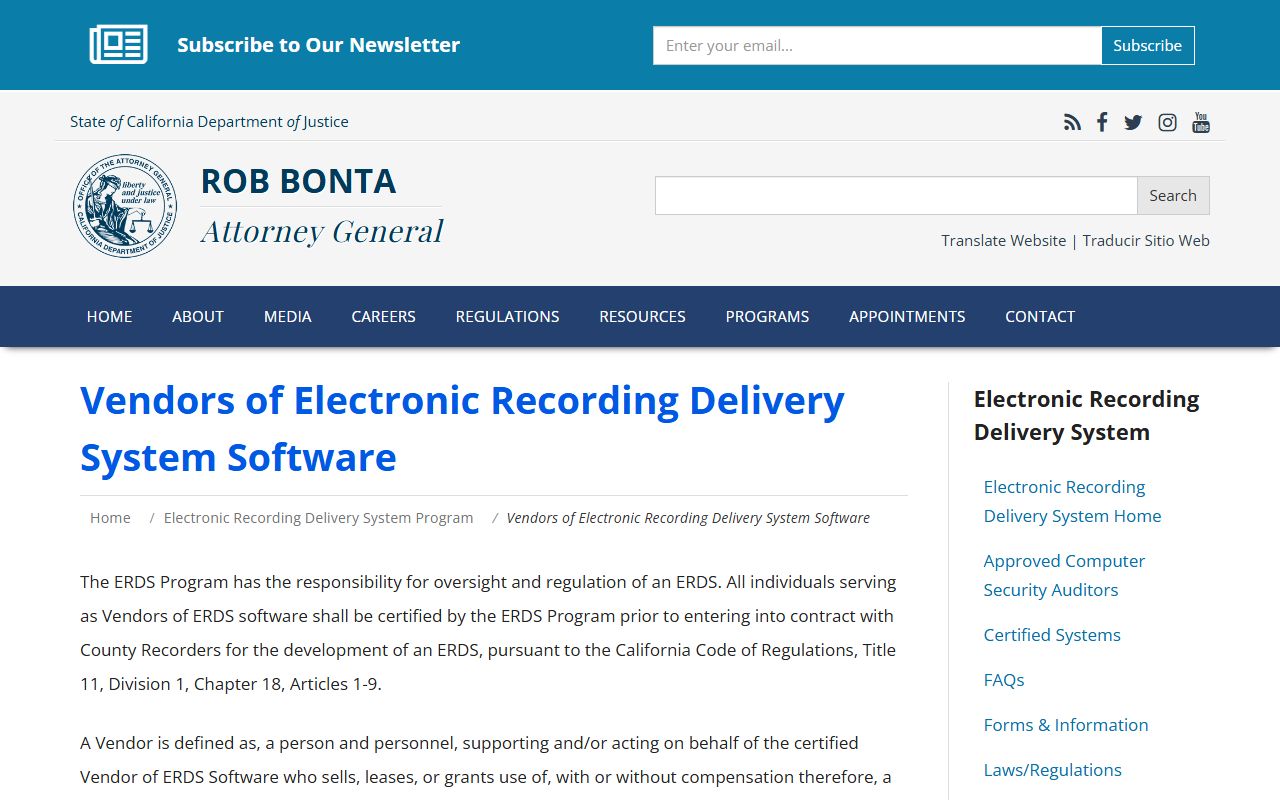
To find a certified eRecording vendor in California, check the Attorney General ERDS vendor list which shows all companies approved to transmit electronic documents to county recorders, including major providers like Simplifile, CSC, and other platforms that integrate with title company and legal software systems.
eRecording costs vary. Some vendors charge per document. Others have monthly plans. You pay the vendor fee plus the county recording fee. The county fee is the same whether you record on paper or online. The vendor fee is extra. For high-volume users like title companies, eRecording saves time and money. For one-time users, it may not be worth it.
Documents recorded electronically get the same legal effect as paper ones. The county assigns an instrument number and date just like paper. The index shows the deed the same way. You get a digital copy back instead of a paper one. Most lenders and title companies accept electronic deeds now. A few old-school places still want paper.
What County Recorders Do
County recorders have a duty to accept any document authorized by statute as long as you pay the fees and taxes. Government Code Section 27201 spells this out and notes that recorders must accept instruments for recordation upon payment of proper fees, meaning they cannot refuse to record a properly formatted deed even if they think it might be a bad idea or legally questionable.
Recorders keep the official index of all recorded documents. This index is public. You can look up who owns land. You can find liens and judgments. You can trace the chain of title going back years. The index used to be in big books at the courthouse. Now most are online databases.
The recorder also issues certified copies. These copies have a raised seal or stamp. Courts accept them as proof. Regular copies do not have the seal. They are just for your information. If you need to show proof of ownership in court or to a lender, get a certified copy. It costs more but has legal weight.
Find Deed Records by Location
Select a county or city below to find local recorder offices, online databases, fees, and contact information. Each county maintains its own deed records and search systems.
Browse by County
California has 58 counties. Each county recorder keeps deed files for land in that county. Pick the county where the property sits to search deed records.
View All 58 California Counties →
Browse by City
For major cities, we show which county handles deed recording and where to search. Most cities do not keep their own deed records. The county does.