
Fairfield Property Records
Deed records for Fairfield are maintained by the Solano County Recorder in the county seat. Fairfield is both the county seat and the largest city in Solano County with over 119,000 residents. All property transfers within the city go through the county system. The city does not keep its own deed files. You can search online or visit the recorder office at 675 Texas Street. The county has made many deed documents available through their web portal going back several decades. Older records require an in-person visit or a written request by mail.
Fairfield Quick Facts
Solano County Recording Office
Solano County Recorder handles all deed filings for Fairfield. The office is in the same building as other county services at 675 Texas Street, Suite 2700, in downtown Fairfield. This makes it easy for city residents to file or search for deed records. Being the county seat gives Fairfield a big advantage for anyone who wants to research property documents in person.
The county accepts deeds by mail, in person, or through electronic recording. Most real estate firms use eRecording for speed. A deed sent by mail may take one to three weeks to process depending on volume. Walk-in submissions can take less time but are not guaranteed same day. The recorder assigns each deed a document number and adds it to the searchable index once recorded.
For more information about Solano County's deed recording services, visit the Solano County deed records page where you can find details about the recorder office, fees, online databases, and how to search for property documents throughout the county including Fairfield and all other Solano County cities.
Search Fairfield Deeds Online
Solano County offers an online search portal for deed records. Go to recorderonline.solanocounty.gov/search to access the system. You can search by name, document number, or date range. The database covers many years of records. Check the site for exact coverage dates as they update the system over time.
To find a Fairfield property deed, enter the owner name or address details. Results show basic info like the date recorded and type of document. If you need the full deed image, you may need to pay a fee or request a certified copy from the recorder office. Not all document images are free to view online.
Grant deeds are the most common type in Fairfield home sales. When you see a grant deed, it means the seller transferred ownership with implied promises that the property is free from undisclosed liens. Quitclaim deeds are also recorded often for transfers between family members or to clear title defects. Deeds of trust appear when someone takes out a mortgage or refinances.
The online system covers all Solano County cities including Fairfield, Vallejo, Vacaville, Suisun City, and others. Make sure to verify the property address when you search. A person may own land in multiple cities so you want to confirm you have the right parcel.
Fees and Transfer Tax
Solano County charges standard recording fees. The first page of a deed costs more than additional pages due to base fees and state mandates. Expect to pay for the fraud prevention fee and the SB2 housing fee on top of the basic recording charge. Each extra page adds a smaller amount. Most deeds are two or three pages total.
California law requires a documentary transfer tax whenever property changes hands for value. Solano County collects 55 cents per $500 of the purchase price. This is the standard state rate. The city of Fairfield does not charge an additional city transfer tax. You only pay the county rate. This makes Fairfield cheaper than cities like Oakland or San Francisco where city transfer taxes can add thousands to closing costs.
If you record a deed without a sale, such as a gift or inheritance, you may not owe transfer tax. The recorder will check the deed to see if it qualifies for an exemption. Common exemptions include transfers between spouses, parent to child under certain conditions, and transfers to correct an error. Ask your title company or attorney if you qualify for an exemption before recording.
California Deed Resources
California has state laws that govern all deed recordings. These apply in Fairfield and every other city. The main statute is California Civil Code Section 1091 which requires that real property transfers be in writing and signed. Another key law is California Government Code Section 27361 which sets the maximum recording fees counties can charge.
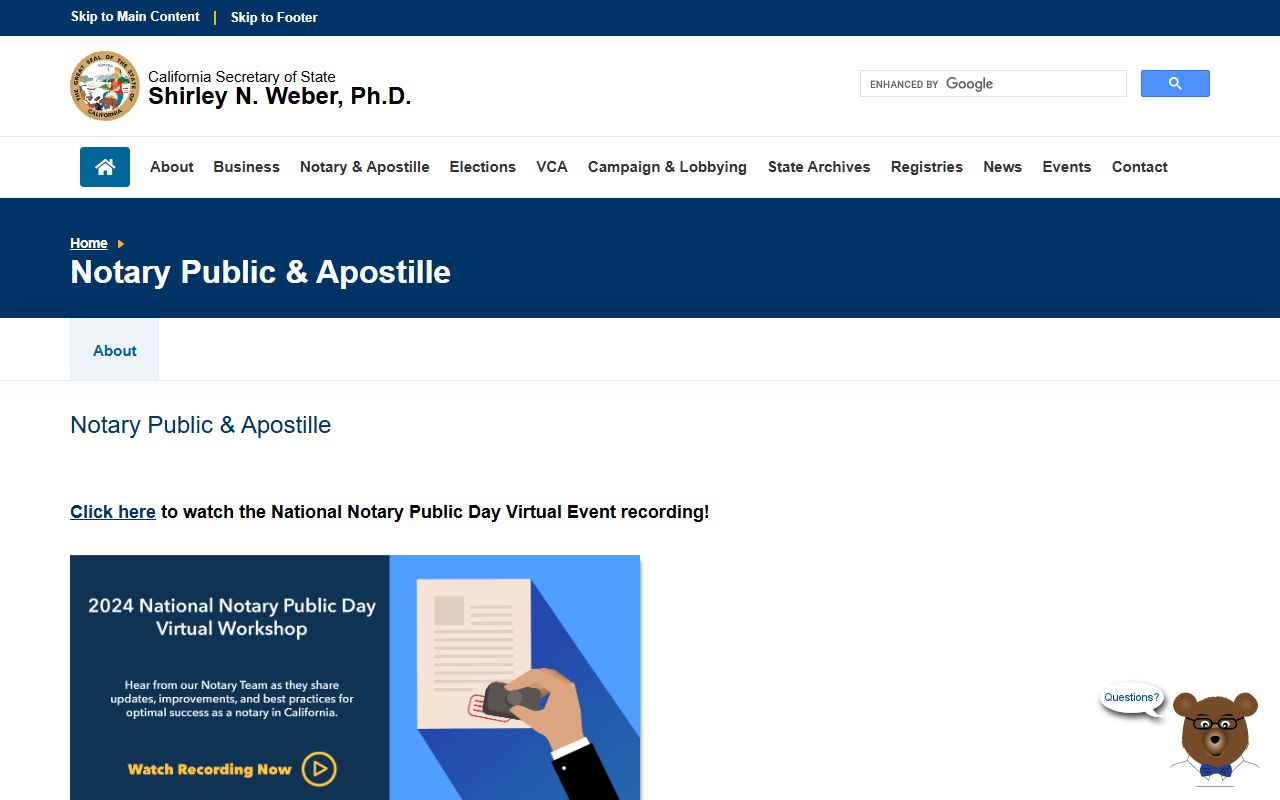
The Secretary of State oversees notary publics who must sign most deeds. Visit www.sos.ca.gov/notary to learn about notary requirements or to find a commissioned notary in your area. Deeds must be notarized to be recorded in California unless the law provides a specific exception.
California also has programs to help property owners detect fraud. The state Department of Real Estate maintains a list of county alert programs at dre.ca.gov/consumers/CountyAlerts.html where you can sign up to receive notifications if someone records a deed against your property without your knowledge. Some counties offer email or text alerts for free.
Other Solano County Cities
Solano County has several other cities that all use the same recorder office in Fairfield. Nearby cities include:
All Solano County residents file deeds at the same location regardless of which city they live in. The county system treats each city the same way. Transfer tax rates and recording fees do not vary by city within Solano County except for Vallejo which has its own city transfer tax.