
Alpine County Property Records
Alpine County deed records are filed at the Recorder-Clerk office in Markleeville. The county keeps ownership documents for all land parcels within its borders. You can search the online database or visit the office in person to view recorded deeds. Alpine County is California's smallest county by population with just over 1,200 residents spread across 743 square miles of Sierra Nevada mountain terrain. Most property here involves vacation homes, ranches, and undeveloped land. The recorder staff can help you find grant deeds, quitclaim deeds, and other documents that show who owns what. All deed filings become part of the public index which anyone can access under state law.
Alpine County Quick Facts
Alpine County Recorder Office
The Alpine County Recorder-Clerk sits at 99 Water Street in Markleeville. Phone number is (530) 694-2283. Office hours are Monday through Friday 8am to 4pm but they close for lunch from noon to 1pm. This small office handles all recording duties for the county including deeds, deeds of trust, liens, and other land documents.
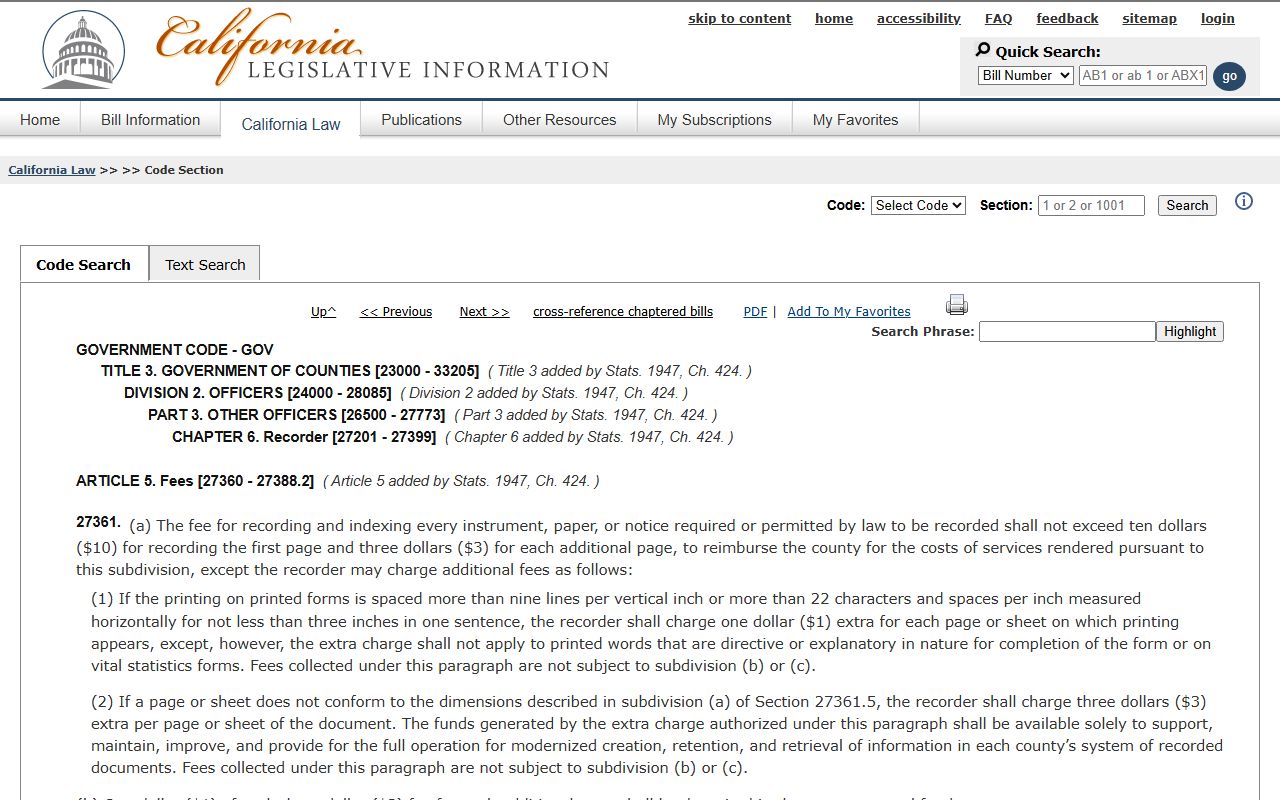
Staff can search old records for you or help you make copies. They cannot give legal advice. If you need help deciding what type of deed to file or how to fill out forms, you should talk to a lawyer or title company. The recorder just files what you bring and makes sure it meets state formatting rules set by California Government Code Section 27361 which covers recording fee requirements.
Most deed filings in Alpine County come from property sales and estate transfers. Grant deeds show up when someone buys a house or land. Quitclaim deeds often get filed when family members transfer property to each other or when someone clears up a title issue. Deeds of trust appear when people take out mortgages on their homes.
The office is closed on all county holidays. If you mail in a deed for recording, include payment and a self-addressed stamped envelope. Processing time varies but most documents get recorded within two weeks. Same-day recording is available if you show up in person before 2pm.
Search Alpine County Deeds
Alpine County offers an online search system for deed records. You can look up documents by name or document number. The database has records from recent years. Older deeds may require an in-person visit to view on microfiche or paper files.
To search by grantor or grantee name, type in the last name first. The system shows matching results. Click on a document to see basic information like the recording date and document type. Full images may cost a fee depending on how you access them.
If you need certified copies of Alpine County deed records, you must request them from the recorder office. Certification adds the county seal and a signed statement that the copy is true. These are required for legal matters like court cases or refinancing. Plain copies cost less but do not carry official weight.
Electronic recording is not yet available in Alpine County. You must file deeds in person or by mail. Bring the original signed deed and enough money to cover the recording fee. Payment options include cash, check, or money order made out to Alpine County.
Alpine County Recording Fees
Recording fees in Alpine County follow state law. The first page costs around $14 to $20 depending on local fees added by the county. Each additional page costs $3. So a three-page deed would cost the first-page fee plus $6 for two extra pages.
Documentary transfer tax applies to most property sales. California charges 55 cents per $500 of the purchase price or consideration. If you buy land for $200,000, the transfer tax is $220. This gets paid when you record the deed. Some transactions are exempt from transfer tax including gifts between family members and transfers due to divorce.
The California Legislature sets base recording fees through statute. Counties can add small fees for fraud prevention and affordable housing programs. Alpine County uses the standard fee structure without many extra charges compared to larger urban counties. You can review the legal requirements at California Government Code Section 27201 which outlines county recorder duties.
Copy fees are separate from recording fees. Plain copies cost a few dollars per page. Certified copies cost more, usually around $6 to $8 for the first page plus $3 for each additional page. Certification means the recorder signs and seals the copy to verify it matches the original on file.
Types of Deed Documents
Grant deeds are common in Alpine County. When you buy property, you get a grant deed from the seller. This type of deed includes implied promises under California Civil Code. The seller promises they have not sold the property to anyone else and that there are no secret liens except those listed on the deed.
Quitclaim deeds transfer whatever interest the grantor has without any promises. People use these for transfers between family members or to fix title problems. A quitclaim does not guarantee clear title. It just says "I give you whatever I have, if anything." This makes them risky for buyers but useful for certain situations like adding a spouse to the title.
Deeds of trust secure loans against real property. When you get a mortgage in Alpine County, you sign a deed of trust giving the lender a security interest. If you do not pay, they can foreclose. When you pay off the loan, the lender files a reconveyance deed to release their claim. These show up in the public index alongside ownership deeds.
Tax liens can attach to Alpine County property when someone owes back taxes. The IRS can file a federal tax lien. The state Franchise Tax Board can file for unpaid state taxes. Counties can file liens for unpaid property taxes. All of these get recorded with the county recorder and affect the property title until paid off.
You can learn more about California deed requirements and implied covenants by reading California Civil Code Section 1113 which explains what promises come with using the word "grant" in a deed.
California Recording Laws
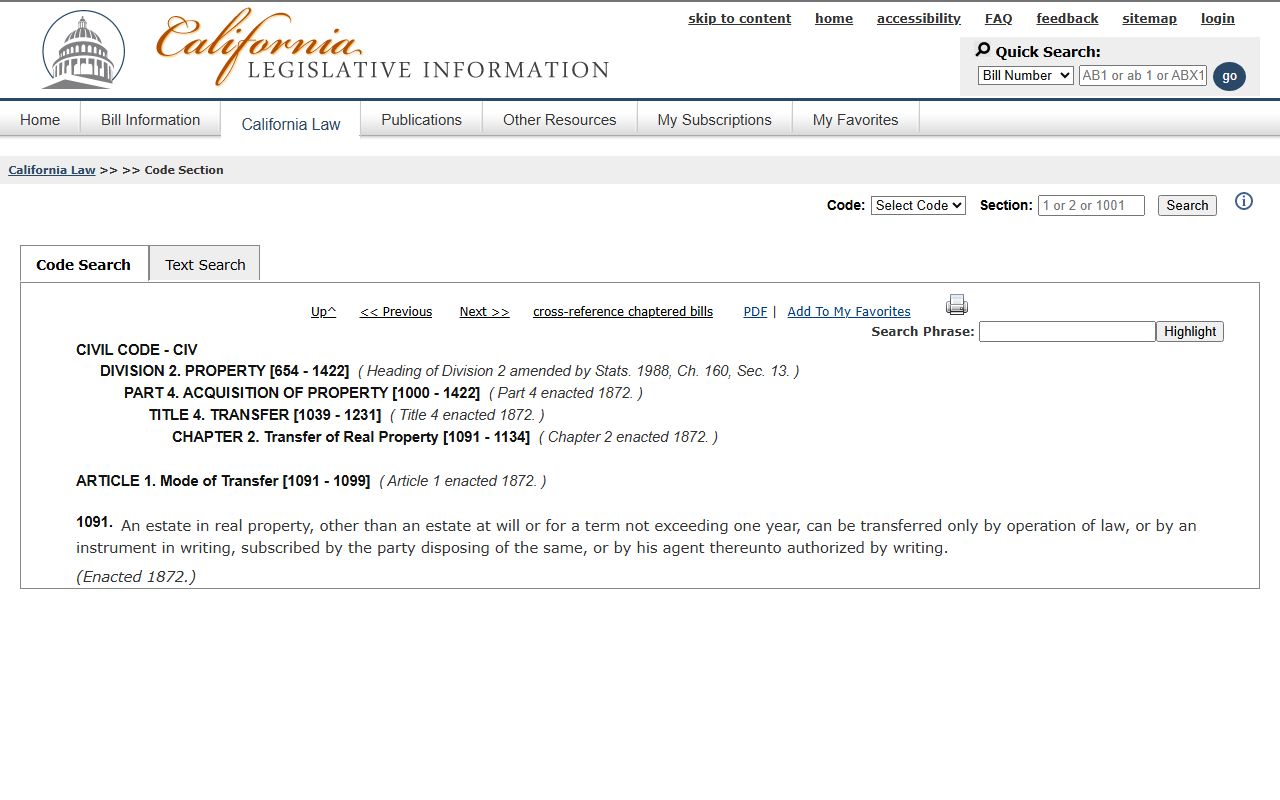
All Alpine County deed records follow California state law. The basic rule is that deeds must be in writing and signed by the person transferring the property. You cannot transfer real estate by oral agreement. This comes from California Civil Code Section 1091 which requires written instruments for property transfers.
California uses a race-notice recording system. This means the first person to record a deed has priority over later buyers, as long as they did not know about earlier unrecorded transfers. If you buy Alpine County land and record your deed right away, you are protected against someone who bought earlier but did not record. The law on this appears in California Civil Code Sections 1213 and 1214.
Recording gives constructive notice to the world. Once your deed is in the Alpine County public index, everyone is legally considered to know about it. They cannot claim they did not know you owned the property. This protects your ownership rights and helps prevent fraud.
Notary Requirements
Most deeds must be notarized before the Alpine County Recorder will accept them. The notary verifies the identity of the person signing and watches them sign. This helps prevent forgery and fraud.
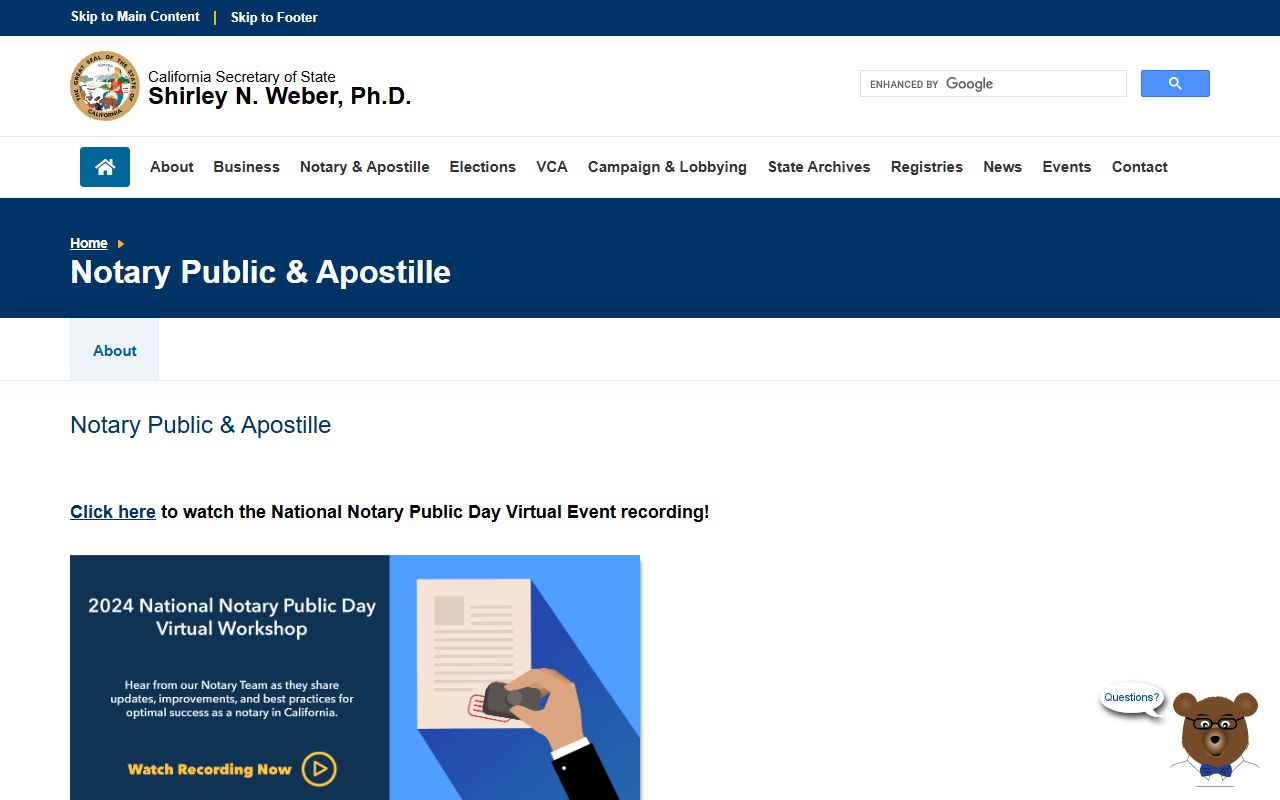
California notaries are commissioned by the Secretary of State. You can verify a notary's status online through the Secretary of State Notary Division which oversees all notary commissions in California. Notaries serve four-year terms and must pass an exam and background check.
If you need a notary in Alpine County, check with local banks, real estate offices, or the county clerk office. Some may charge a fee. California law sets maximum notary fees at $15 per signature for most documents.
Electronic Recording Status
Electronic recording is not currently available in Alpine County. You must submit deeds in person or by mail. Many larger California counties now offer eRecording through certified vendors, but small rural counties like Alpine have not yet implemented these systems.
The California Attorney General certifies eRecording vendors under the Electronic Recording Delivery Act. You can see the list of approved providers at the AG's eRecording vendor page. When Alpine County does adopt eRecording in the future, they will likely use one of these certified systems.
For now, if you need same-day recording in Alpine County, you should visit the Markleeville office in person. Bring your original signed and notarized deed plus payment. Staff will review it for proper formatting and record it if everything is correct.
Nearby Counties
Alpine County borders several other counties. If the property you are looking for is not in Alpine County, check these neighboring recorders: