
Search Amador County Deed Records
Amador County maintains deed records at the Recorder-Clerk office in Jackson. The office files all property ownership documents for land within county boundaries. You can search online through their RecorderWorks database which goes back to 1991. Older records require an in-person visit to the Jackson courthouse. The county has around 40,000 residents and includes historic Gold Rush towns like Sutter Creek, Ione, and Plymouth. Many deeds here involve residential properties, vineyard land, and rural parcels. Electronic recording services are coming soon to Amador County but are not yet available. For now you must file deeds by mail or in person at the Jackson office located at 810 Court Street.
Amador County Quick Facts
Amador County Recorder
The Recorder-Clerk office sits at 810 Court Street in Jackson. Call (209) 223-6468 for questions. Office hours are Monday through Friday 8am to 5pm. This office handles deed recording for all of Amador County.
When you file a deed in Amador County, staff check that it meets California formatting standards. The deed must be on standard paper, properly notarized, and include all required information. If something is wrong, they will reject it and tell you what needs fixing. Once accepted, they stamp it with the date and time of recording.
California law sets the rules for what recorders must do. Under Government Code Section 27201, the recorder must accept any instrument authorized by statute as long as you pay the proper fees. They cannot refuse to record a document just because they disagree with it.
The recorder creates a public index of all documents. Anyone can search this index to see who owns property or what liens exist. This transparency helps prevent fraud and makes property ownership clear. Amador County follows the same public access rules as all California counties.
Online Deed Search
Amador County uses RecorderWorks software for online searches. The database has records from 1991 to present. You can search by grantor name, grantee name, or document number. Type in a last name and the system shows all matching records.
Each search result shows basic information. You see the recording date, document type, and parties involved. To view the full deed image, there may be a fee. Some counties let you view for free while others charge per document. Check with the Amador County office for current pricing.
If you need deeds recorded before 1991, you must visit the Jackson office. Old records are on microfiche or in paper files. Staff can help you locate what you need. Bring as much information as possible like the property address, owner names, or approximate date of transfer.
Certified copies must come from the recorder office. You can request them online, by mail, or in person. Certification adds the official county seal and a signed statement from the recorder. These certified copies work for legal purposes like court filings or title insurance.
Fees for Recording Deeds
Recording a deed in Amador County costs around $14 to $20 for the first page. Each additional page costs $3. The exact amount depends on local fees the county adds to the state base fee. Most deeds are one to three pages long.
Documentary transfer tax applies when property sells. California charges 55 cents per $500 of the purchase price. On a $300,000 home sale, the transfer tax is $330. This gets paid at closing and is based on the consideration shown on the deed. Gifts and certain transfers to family members may be exempt.
Some counties add a fraud prevention fee and an affordable housing fee under SB2. Amador County may charge these additional fees. The total can reach $90 or more for the first page when all fees are combined. This is still much less than urban counties that have higher fee structures.
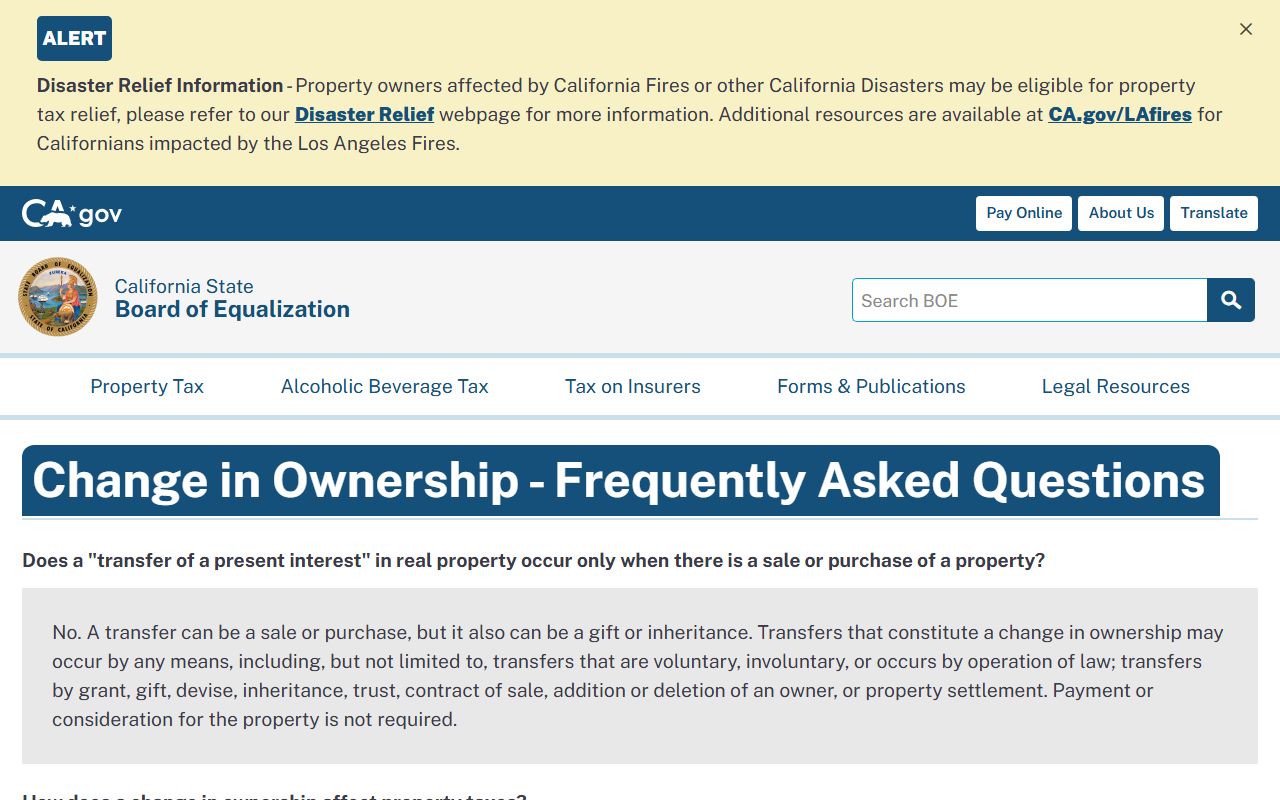
Copy fees are separate. Plain copies cost a few dollars per page. Certified copies cost more. Expect to pay $6 to $8 for the first page of a certified copy plus $3 for each additional page. The certification shows the copy is a true record from the county files.
Payment methods include cash, check, and money order. Some offices accept credit cards but may charge a processing fee. If you mail in a deed for recording, include a check and a self-addressed stamped envelope for the recorded copy to be mailed back to you.
Common Deed Types
Grant deeds are the standard in Amador County for property sales. The word "grant" creates implied warranties under California Civil Code. The seller promises they have not sold the property to anyone else and that no secret liens exist except those listed. This provides some protection to the buyer.
Quitclaim deeds transfer property without any promises. The grantor just gives up whatever interest they have, if any. These work well for transfers between family members or to clear up title defects. A quitclaim does not guarantee good title. It just says "I quit claiming any interest I might have."
Deeds of trust secure mortgages in Amador County. When you borrow money to buy property, you sign a deed of trust. This gives the lender a security interest. If you default, they can foreclose through a trustee sale. When the loan is paid off, the lender files a reconveyance deed to release the lien.
Transfer on death deeds let you name someone to inherit your property without going through probate. You file the deed while alive but it only takes effect when you die. You can revoke it any time before death. These became legal in California several years ago and are now common in counties like Amador.
The legal basis for California deeds comes from statutes like Civil Code Section 1113 which explains the implied covenants in a grant deed. Reading this statute helps you understand what protection a grant deed provides compared to a quitclaim deed.
How to Record a Deed
To record a deed in Amador County, start with a properly prepared document. The deed must be typed or printed on standard size paper, usually 8.5 by 11 inches. Leave a margin at the top for the recorder's stamp. Include the property's legal description and the names of all parties.
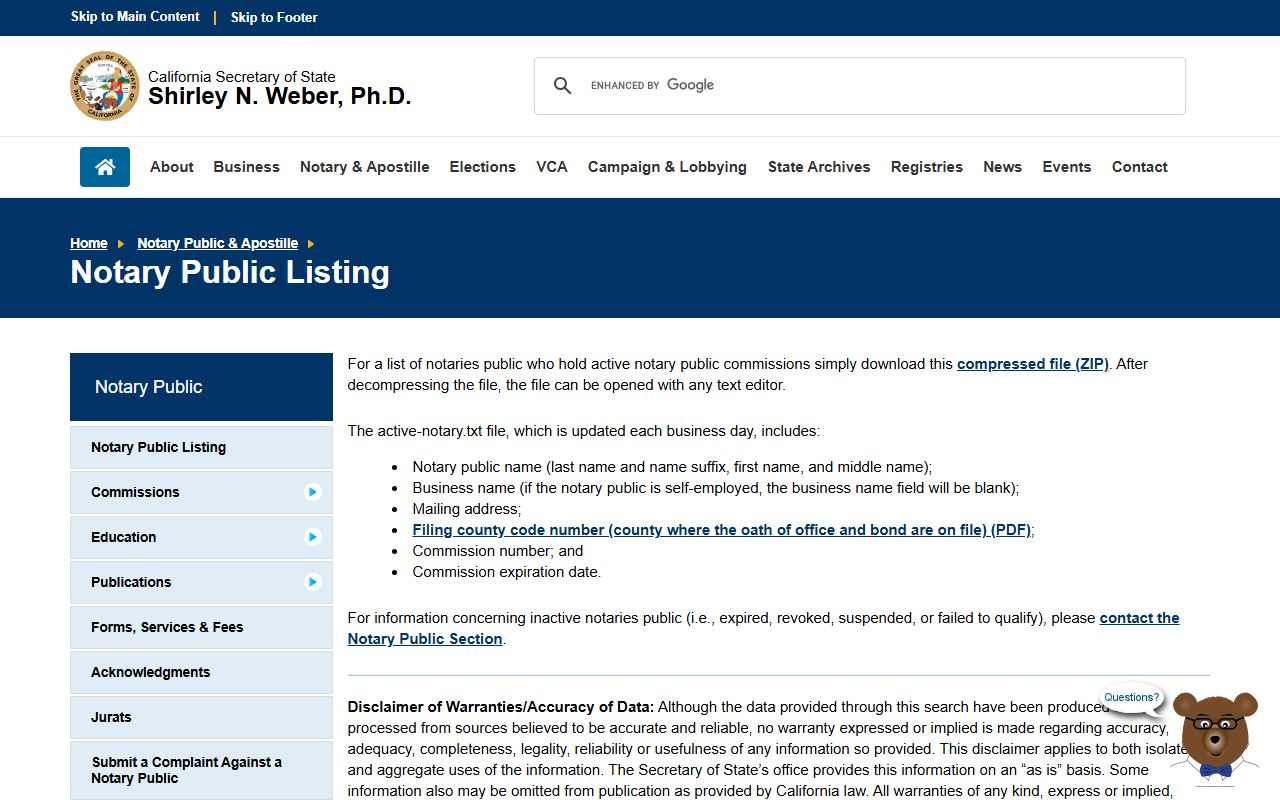
Get the deed notarized. Most deeds require notarization. The notary verifies your identity and watches you sign. This helps prevent fraud. California notaries are commissioned by the Secretary of State Notary Division for four-year terms. You can verify a notary's status online through the Secretary of State website.
Submit the deed to the Amador County Recorder at 810 Court Street, Jackson, CA 95642. Include payment for the recording fee. If mailing, add a self-addressed stamped envelope. The recorder will process it and mail back a recorded copy with the official stamp and recording information.
Recording gives you priority. California uses a race-notice system. The first person to record generally has priority over later buyers, as long as they had no notice of earlier unrecorded transfers. This makes prompt recording important to protect your ownership.
California Recording Law
All deeds in Amador County must follow California state law. Real property can only be transferred by a written instrument signed by the grantor. This requirement comes from California Civil Code Section 1091. Oral transfers of land are not valid in California.
Recording provides constructive notice. Once a deed is recorded in Amador County, the law considers everyone to know about it. Later buyers cannot claim they did not know about your deed. This protects property rights and helps prevent double-selling of land.
Fee schedules are set by the state legislature. Government Code Section 27361 caps the basic recording fee at $10 for the first page and $3 for additional pages, though counties can add fees for specific purposes like fraud prevention and affordable housing.
Nearby County Recorders
If your property is not in Amador County, check these neighboring counties:
Note: Each county maintains its own separate deed index. Property in Sacramento County will not appear in the Amador County records and vice versa.