
Imperial County Property Records
Imperial County keeps all deed records at the Clerk Recorder office in El Centro at 940 West Main Street. Anyone looking for property ownership information can search these records because they are public under California law. The office has deed records going back to when the county was formed. Most people search online through the RecorderWorks system which the county uses for its database. You can find grant deeds, quitclaim deeds, deeds of trust, and other land documents in this system. Some older records might only be available at the office on paper or microfiche. The county charges fees for document copies based on whether you want a plain copy or a certified copy with the official seal. Searching the index is free but viewing full deed images costs money per page.
Imperial County Quick Facts
Clerk Recorder Office
The Imperial County Clerk Recorder handles all property document recordings. Their office is at 940 West Main Street, Suite 202, in El Centro. You can call (442) 265-1076 or email iccrinfo@co.imperial.ca.us with questions about fees or recording procedures.
When you record a deed in Imperial County, it becomes a permanent public record. Staff will examine your document to make sure it meets California formatting standards. Documents must have proper margins and space for the recorder stamp. The APN must appear on the deed. All signatures need to be notarized. If your deed does not meet these requirements, the office will reject it.
This office does more than record deeds. They handle liens, easements, maps, and other property documents. Business name statements and marriage licenses also go through this office. But for real estate transactions, this is where all deeds get filed. No city in Imperial County maintains its own deed records. Everything comes here.
Counter staff can help you find documents or order copies. They cannot provide legal advice. If you need someone to explain what type of deed to use or how to fill out forms, consult a lawyer or title company. County employees can only tell you about fees and recording procedures. They cannot advise you on your transaction.
Search Deeds Online
Imperial County uses RecorderWorks for its online recording database. You can search for free by grantor name, grantee name, document number, or legal description. Most people search by the names of the buyer or seller to find all documents involving them.
To search Imperial County property records, visit the RecorderWorks database where you can look up deed records, view document details, and purchase copies of recorded documents through the online system.
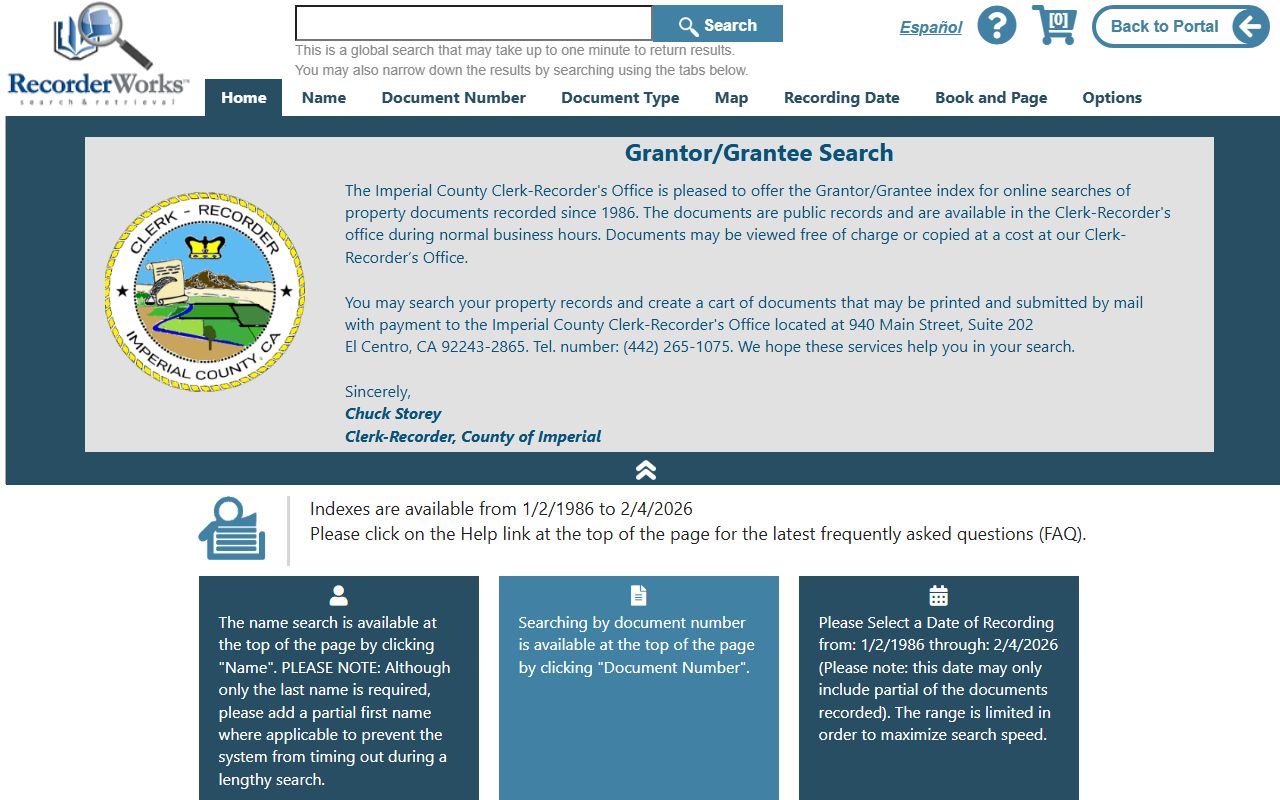
The search function is free but viewing full document images costs money. You pay per page for copies. The system accepts credit cards. After you pay, you can download the deed as a PDF. If you need a certified copy with the county seal, that costs more and gets mailed to you.
Some older deeds might not be in the online system. If you are researching historical property transfers, you may need to visit the office in El Centro. Bring the property address or APN if you have it. Staff can pull archived records from storage. Very old documents might only exist on microfiche or paper.
Filing Your Deed
Every deed recorded in Imperial County must follow California formatting rules. One-inch margins on all sides. A blank space in the top right corner of the first page for the recorder stamp. The document must include the APN which is the assessor parcel number from the property tax bill.
California law requires all real estate transfers to be in writing under Civil Code Section 1091. The person transferring the property must sign the deed in front of a notary public. The notary checks their ID and watches them sign. Without proper notarization, the county will not accept your deed for recording.
Documentary transfer tax applies to most deed recordings. The county charges 55 cents for each $500 of the purchase price or consideration. On a $300,000 home, the transfer tax is $330. Some transactions are exempt such as gifts between family members or transfers due to death. The deed must state the tax amount or claim an exemption.
Include the Preliminary Change of Ownership Report when you record a deed. This form gives the assessor information needed to update property tax rolls. If you forget this report, you could face a $20 penalty. The county needs this data to keep records current and send tax bills to the right owner.
Recording protects your ownership rights under California's race-notice system found in Civil Code Sections 1213-1214. The first person to record a deed generally has priority over later claims. If someone tries to sell the same property twice, the buyer who records first usually wins in court.
Recording Fees
Imperial County charges California standard recording fees set by Government Code Section 27361. The base fee is up to $10 for the first page with $3 for each additional page. On top of this are mandatory state fees including the fraud prevention fee and SB2 housing fee.
The SB2 fee is $75 for most property sales. This fee funds affordable housing projects under the Building Homes and Jobs Act. The maximum SB2 fee is $225 even on expensive properties. Certain transfers are exempt from SB2 such as transfers between spouses or from parent to child. Check with your title company about exemptions.
Copy fees depend on the type of copy you need. Plain copies cost less and work for general research. Certified copies include the official county seal and a signed certificate stating the copy is accurate. Banks and courts typically require certified copies for loans and legal proceedings. Certified copies cost more than plain ones.
If you mail your deed for recording, include the full fee and a stamped return envelope. Processing times vary depending on how busy the office is. In-person submissions usually get recorded faster, often the same day. Electronic recording through certified vendors is the fastest option but most individuals need to use paper filing.
Types of Deeds
Grant deeds are most common in Imperial County real estate transactions. When you buy a home, the seller gives you a grant deed. Under California Civil Code Section 1113, grant deeds include implied promises that the seller owns the property and has not conveyed it to someone else already.
Quitclaim deeds make no guarantees about ownership. The person signing just releases whatever interest they might have. Divorcing couples use quitclaims when one spouse transfers their share to the other. Parents might quitclaim property to children. These deeds also fix title problems like when your name is spelled wrong on an old deed.
Deeds of trust are loan documents, not ownership transfers. When you get a mortgage, you sign a deed of trust giving the lender a security interest in your property. If you stop paying, they can foreclose. When you pay off the loan, the lender records a reconveyance deed releasing their claim. Both documents go in the same public index as regular deeds.
Other recorded documents include liens, easements, and restrictions. Tax liens from the IRS or state. Mechanic liens from unpaid contractors. Utility easements. HOA rules and covenants. All of these affect property rights and appear in title searches when someone is buying or refinancing.
Electronic Recording
Imperial County accepts electronic recording through certified vendors approved by the California Attorney General. The state maintains a list of approved eRecording systems at oag.ca.gov/erds/vendor under the Electronic Recording Delivery Act program.
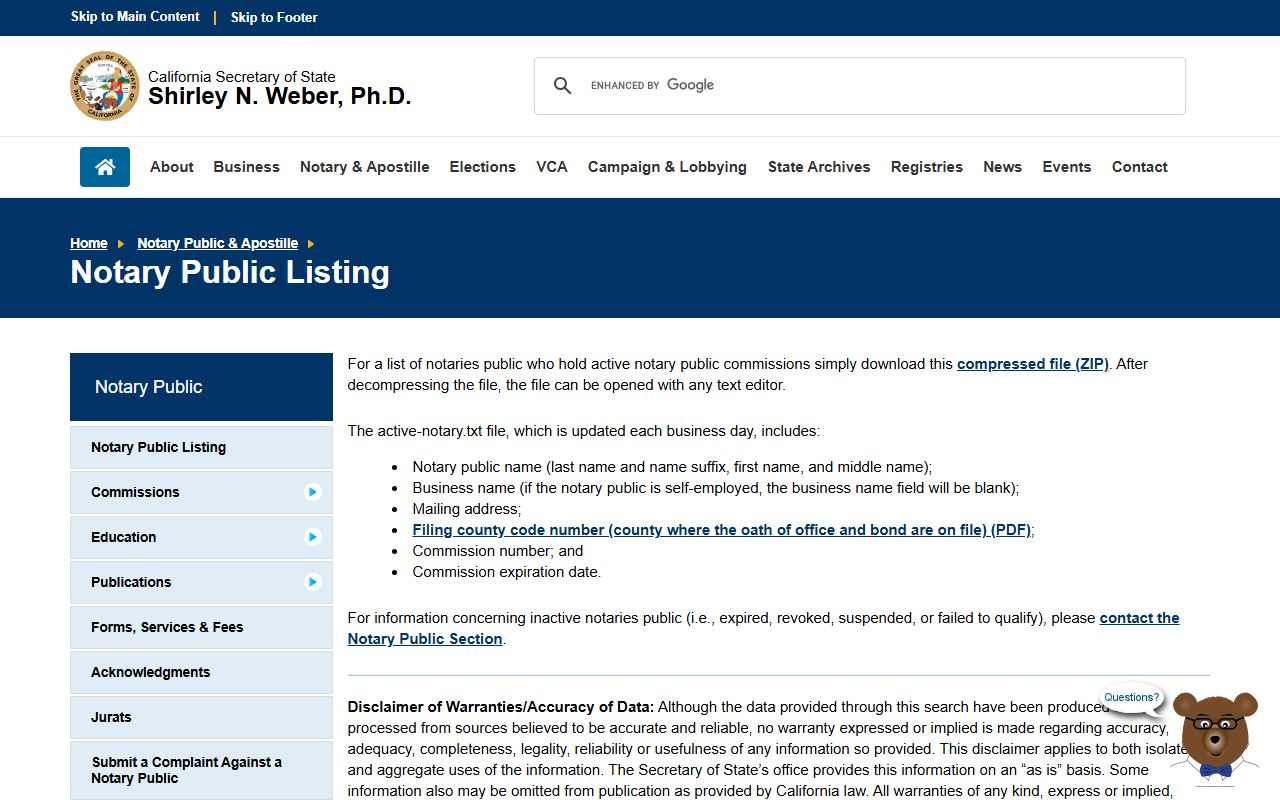
To find a list of active notaries who can notarize your deed signature, visit the Secretary of State notary listing where you can download a file of all commissioned notaries in California with their contact information and commission dates.
Most eRecording is done by title companies and law offices that have business accounts with the approved vendors. They can submit deeds electronically without going to the recorder office. This is much faster than paper filing. Documents usually process within hours.
Individual homeowners typically cannot use eRecording directly. If you are recording your own deed, you probably need to file it on paper by mail or in person. Check with your title company to see if they can handle the eRecording for you. This ensures your deed is formatted correctly and recorded quickly.
Neighboring Counties
If your property is not in Imperial County, check these adjacent counties: