
Antioch Deed Records
Deed records for Antioch are maintained by Contra Costa County Recorder in Martinez. The city does not keep its own deed files. All property transfers in Antioch go through the county system. You can search these records online or visit the county office in person. Antioch has over 115,000 residents and sits in east Contra Costa County near the Delta. The county uses an online system called CRIIS which lets you search for deeds by name or document number. Many years of records are available online but some older documents may require an in-person visit to the Martinez office.
Antioch Quick Facts
Contra Costa County Recorder
Contra Costa County Recorder handles all deed filings for Antioch. The office is at 555 Escobar Street in Martinez which is about 20 miles west of Antioch. Call (925) 335-7900 with questions. Hours are Monday through Friday during normal business hours. Check their website for exact times and holiday closures.
Antioch residents can file deeds by mail, in person, or through electronic recording. Most real estate professionals use eRecording for speed. Paper documents can take two or more weeks to process. The county assigns a document number to each recorded deed and adds it to the searchable public index. You can then find the deed online or request a copy from the recorder office.
For more information about Contra Costa County's deed recording services, visit the Contra Costa County deed records page where you can find detailed information about the recorder office, fees, online databases, and how to search for property documents throughout the county including Antioch and all other Contra Costa County cities.
Search Antioch Deeds Online
Contra Costa County uses a system called CRIIS for online deed searches. Go to www.criis.com/contracosta.html to access the database. You can search by name, document type, or date. The system covers many years of records. Some older documents may not be online yet.
To find an Antioch deed, enter the property owner name or address. Results show the document type, recording date, and document number. If you need the full deed image, you may have to pay a fee. Check the county website for current pricing. Certified copies always cost more than plain copies because they include the county seal and a certificate of authenticity.
Grant deeds are the most common type in Antioch home sales. A grant deed transfers ownership with implied promises that the seller has not sold the property to anyone else and there are no hidden liens except those listed on the deed. Quitclaim deeds also appear often for transfers between spouses or family members. Deeds of trust are recorded when someone gets a mortgage or refinances their loan.
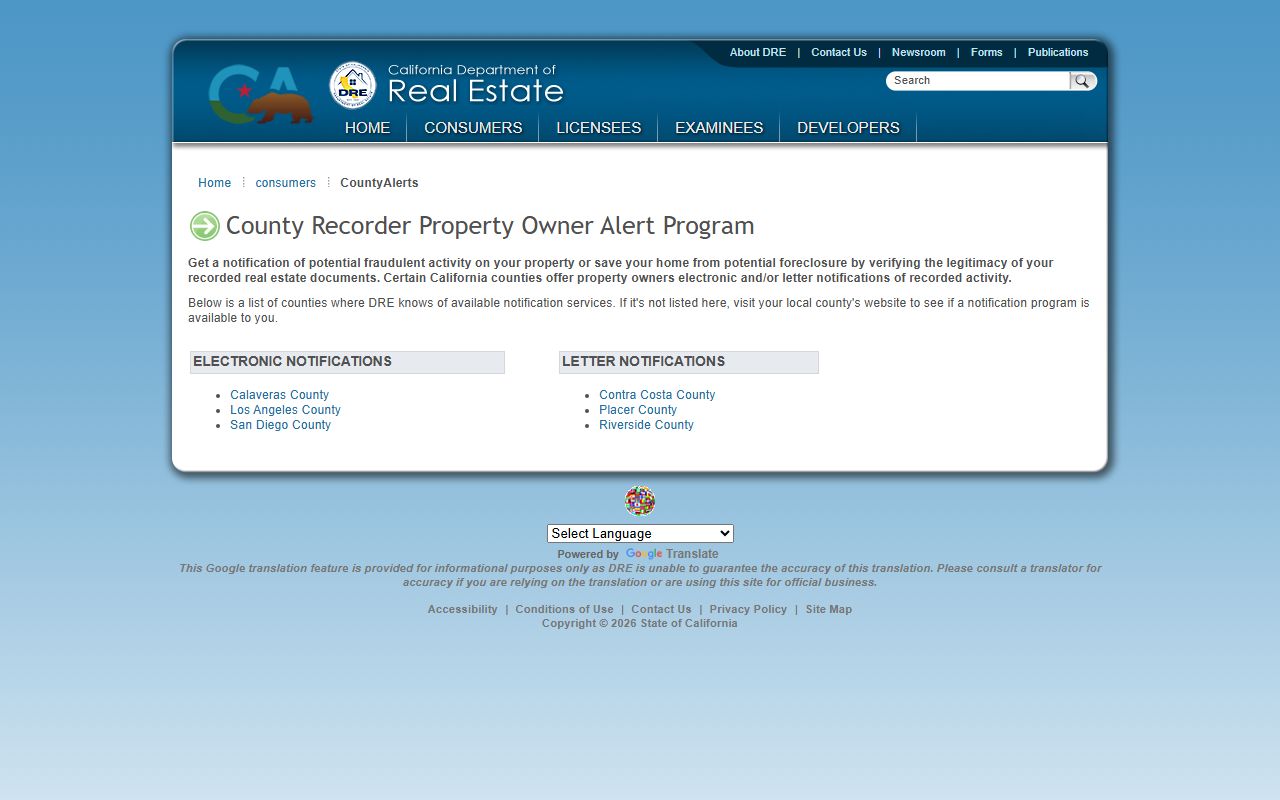
The online system covers all Contra Costa County cities including Antioch, Concord, Richmond, and others. Make sure to verify the property address when you search. A person may own land in multiple cities so you want to confirm you have the right parcel before ordering copies.
Fees and Transfer Tax
Contra Costa County charges standard recording fees. The first page of a deed costs $14 base fee plus a $3 fraud prevention fee. That is $17 total for page one. Each extra page costs $3. Most deeds are two or three pages. Add the SB2 fee of $75 for real estate transactions. The SB2 fee funds affordable housing programs statewide.
If you need a certified copy of a deed, the county charges $4 for the first page and $2 for each additional page. Certification adds $4 to the total. Courts and lenders require certified copies. Plain copies without the seal cost less but are not accepted for legal matters. You can order copies online, by mail, or in person at the Martinez office.
Documentary transfer tax in Contra Costa County is 55 cents per $500 of the purchase price. This is the standard California rate. The city of Antioch does not charge an additional city transfer tax. You only pay the county rate. This makes Antioch less expensive for closing costs compared to some other Contra Costa cities like Richmond and El Cerrito which have their own city transfer taxes.
California Deed Laws
All deeds in California must follow state law. The main rule is in Civil Code Section 1091 which says real property transfers must be in writing and signed by the person transferring the property. You cannot transfer land with a verbal agreement in California. It must be written and recorded.
Grant deeds in Antioch include implied covenants under Civil Code Section 1113 which says the seller promises they have not sold the property to anyone else and the property is free from liens except those disclosed. These promises are automatic when you use the word grant in the deed. You do not have to write them out.
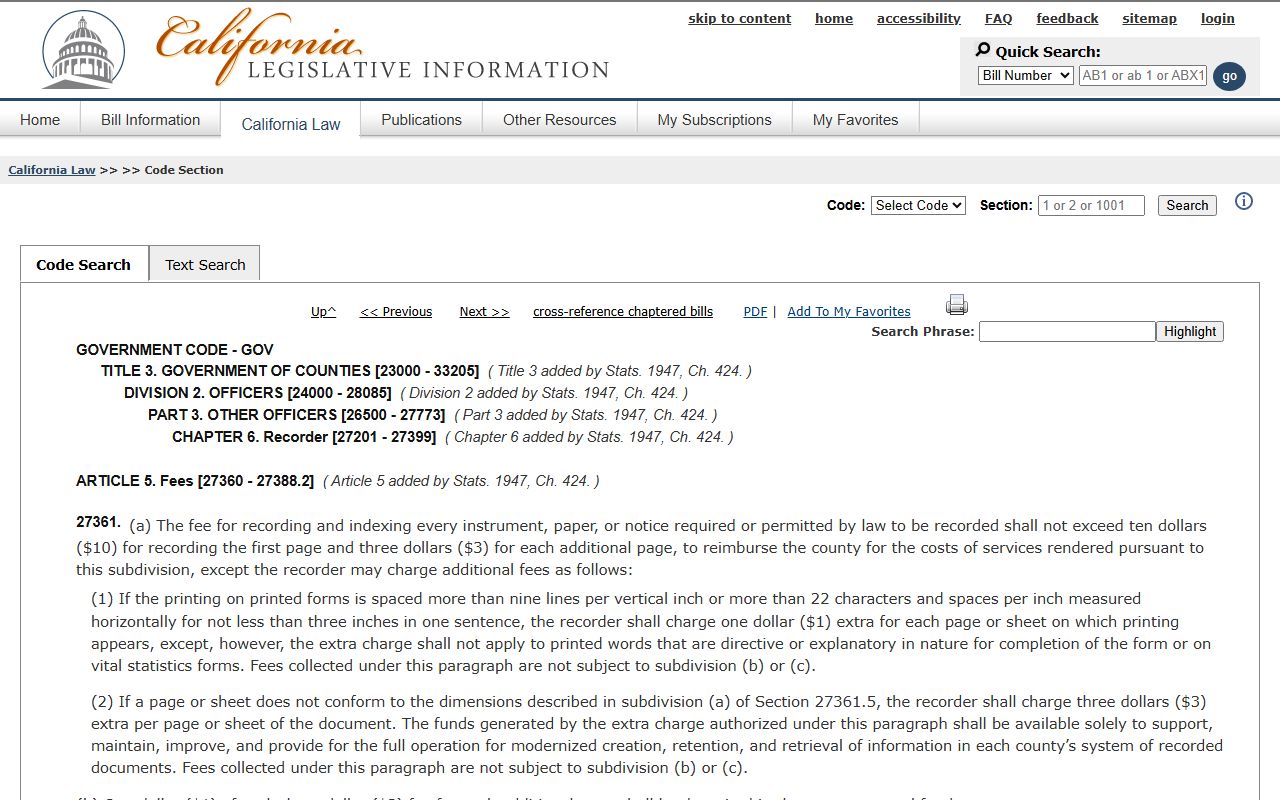
The county recorder must accept your deed if it meets legal requirements and you pay the fees. This rule comes from Government Code Section 27201 which lists the duties of county recorders. The recorder cannot give legal advice or tell you if your deed is valid. They only check the format and signatures.
Recording a deed gives constructive notice under Civil Code Sections 1213-1214 which establish California's race-notice recording system. The first buyer to record usually wins if there are competing claims. Always record your deed as soon as possible after closing to protect your interest.
Other Contra Costa Cities
Contra Costa County has several other cities over 100,000 population. All use the same county recorder in Martinez. Nearby cities include:
All Contra Costa County residents file deeds at the same office regardless of which city they live in. Recording fees are the same countywide. Some cities like Richmond and El Cerrito have their own city transfer taxes but most cities including Antioch do not. Check with your title company about local taxes before you close on any Contra Costa County property.