
Lake County Deed Records Search
Lake County deed records are filed with the Recorder-Clerk office in Lakeport on the shores of Clear Lake. The county maintains ownership documents for properties throughout its 1,256 square miles of vineyards, lakefront homes, and rural land. With about 68,000 residents in communities like Lakeport, Clearlake, and Middletown, Lake County sees regular real estate activity. The recorder uses Tyler Technologies software for online deed searches. Electronic recording is coming soon but not yet available. Most deeds here involve residential properties, vacation homes around Clear Lake, vineyard parcels, and rural land. You can contact the recorder at (707) 263-2293 or visit 255 North Forbes Street in Lakeport to file deeds or search records.
Lake County Quick Facts
Lake County Recorder Office
The Lake County Recorder-Clerk office sits at 255 North Forbes Street in Lakeport. Phone (707) 263-2293 for questions. Hours are Monday through Friday 8am to 5pm. This office handles all deed recordings for Lake County.
When you file a deed, staff check it for proper formatting. The document must be notarized, typed clearly, and include a complete legal description of the property. If something is wrong, they reject it and tell you what needs fixing. Once accepted, they stamp it with the recording date and time.
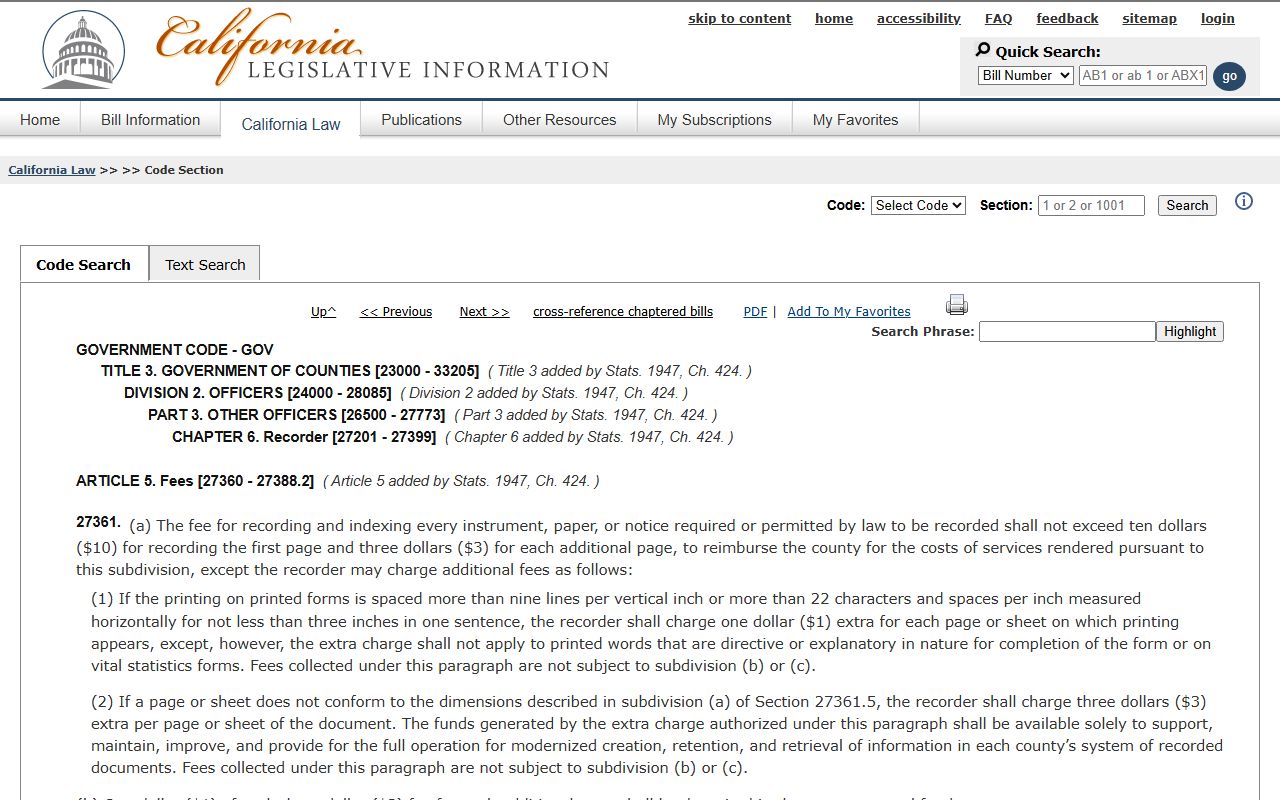
Lake County follows California recording statutes. The recorder must accept any instrument authorized by law as long as you pay the correct fees. This requirement comes from Government Code Section 27201 which sets out county recorder duties.
The recorder creates a public index of all documents. Anyone can search this index to see who owns property or what liens exist. Lake County uses Tyler Technologies software which many California counties have adopted for online access.
Search Deeds Online
Lake County offers online deed searches through Tyler Technologies. You can look up documents by grantor name, grantee name, or document number. Type in a last name and the system returns all matching records.
Search results show basic information like recording date, document type, and parties involved. To view full deed images, there may be a fee. Check with the Lake County office for current pricing and access options.
Certified copies must come from the recorder office. You can request them online, by mail, or in person. Certification adds the official county seal and a signed statement from the recorder verifying the copy matches the original on file.
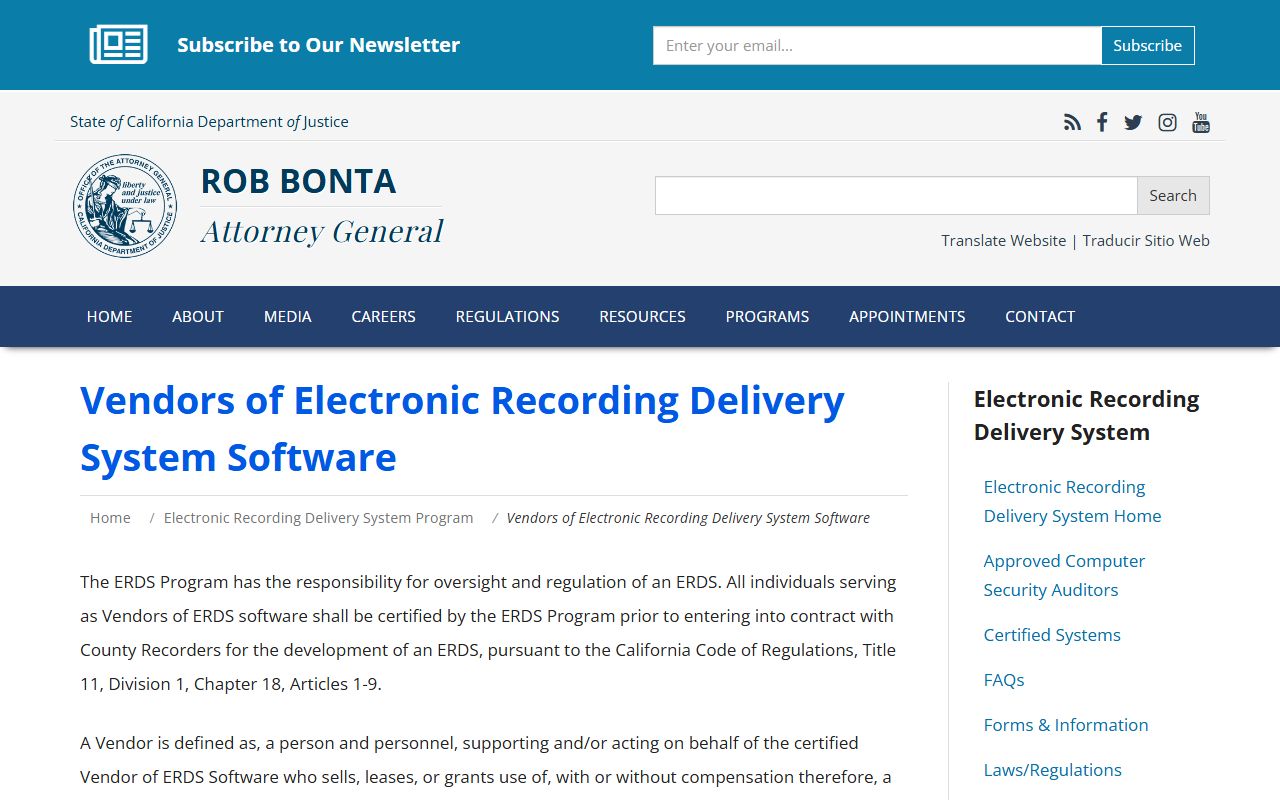
Electronic recording is coming soon to Lake County but is not yet available. For now, file deeds in person or by mail. When eRecording does launch, the county will use vendors certified by the California Attorney General.
Recording Fees
Recording a deed in Lake County costs around $14 to $20 for the first page. Each additional page costs $3. The exact fee depends on local add-ons to the state base fee structure set by Government Code Section 27361.
Documentary transfer tax is 55 cents per $500 of consideration. On a $350,000 lakefront home, the transfer tax is $385. This applies to most sales. Gifts between family members and certain transfers may be exempt.
Copy fees are separate. Plain copies cost a few dollars per page. Certified copies cost around $6 for the first page and $3 for each additional page. The certification includes the county seal and recorder's signature.
Payment options include cash, check, and money order. If mailing a deed for recording, include a check payable to Lake County Recorder and a self-addressed stamped envelope for return of the recorded copy.
Types of Lake County Deeds
Grant deeds are most common for property sales in Lake County. The word "grant" creates implied warranties under California law. The seller promises they have not sold the property to anyone else and that no hidden liens exist except those disclosed.
Quitclaim deeds transfer property without warranties. The grantor just releases any claim they have. These work for family transfers or clearing title issues. A quitclaim offers no protection about title quality. It just says "I give you whatever I have."
Deeds of trust secure mortgages in Lake County. When you get a loan to buy property, you sign a deed of trust giving the lender a security interest. If you default, they can foreclose. When the loan is paid off, they file a reconveyance deed.
Tax liens attach to Lake County property when owners owe back taxes. Federal, state, and local governments can record tax liens. These show up in the public index and must be paid before the property can be sold with clear title.
Learn about grant deed warranties at California Civil Code Section 1113 which explains the implied covenants that come with using "grant" in a deed.
How to Record a Deed
To record a deed in Lake County, prepare a proper document on standard paper. Include the legal description, names of all parties, and consideration amount for sales. Leave margins for the recorder's stamp.
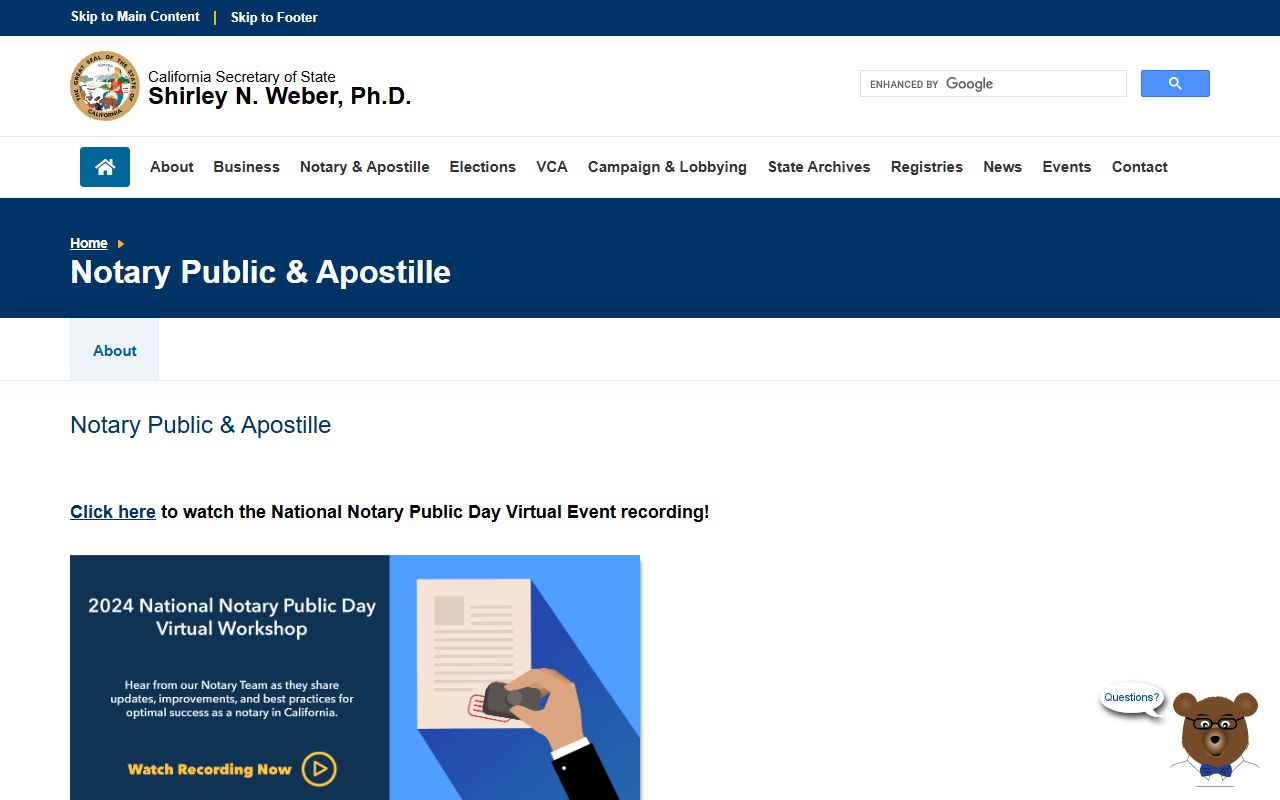
Get the deed notarized. Most deeds require notarization. The notary verifies your identity and witnesses your signature. This prevents fraud. California notaries are commissioned by the Secretary of State for four-year terms.
Submit the deed to Lake County Recorder, 255 North Forbes Street, Lakeport, CA 95453. Include payment. If mailing, add a self-addressed stamped envelope. The recorder will process it and return a recorded copy with the official stamp.
Recording gives you priority under California's race-notice system. The first person to record generally has priority over later buyers, as long as they had no notice of earlier unrecorded transfers. Prompt recording protects your ownership.
California Recording Law
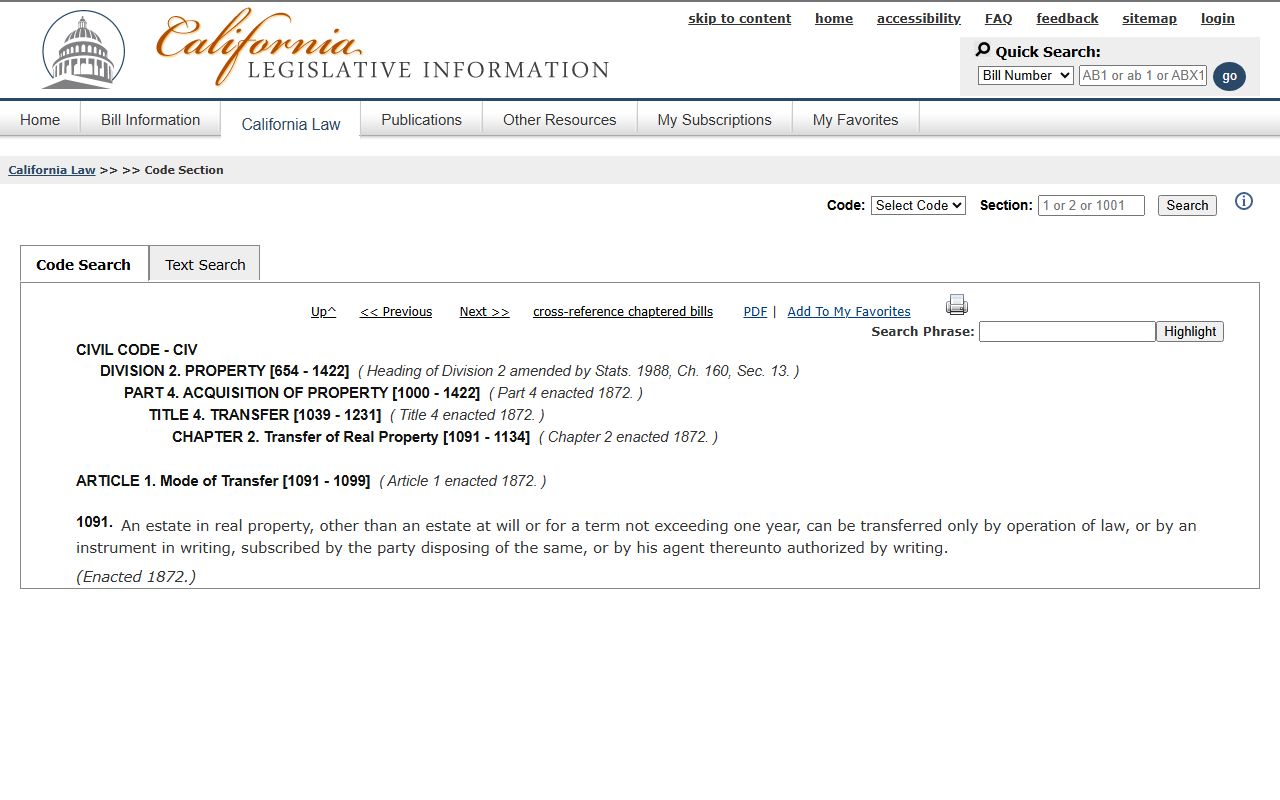
All Lake County deeds must comply with California statutes. Real property can only be transferred by written instrument signed by the grantor. This comes from California Civil Code Section 1091. Oral agreements to transfer land are not valid.
Recording provides constructive notice. Once your deed is in the Lake County public index, everyone is legally considered to know about it. They cannot claim ignorance later. This transparency helps prevent fraud.
Nearby Counties
If your property is not in Lake County, try these neighboring recorders: