
Search Tulare County Deed Records
Tulare County deed records are kept by the County Clerk-Recorder office in Visalia at 221 South Mooney Boulevard. The office maintains property deeds, transfers, liens, and other land documents for all areas within county boundaries. Their online database covers records from 1949 to 2022 using the RIIMS system. You can search these files by grantor or grantee name, document number, or legal description. Most people search by name to find ownership transfers and property history. The county sits in California's agricultural heartland and serves over 470,000 residents across cities like Visalia, Tulare, Porterville, and Dinuba. All deed work for properties anywhere in the county goes through the Visalia office on Mooney Boulevard.
Tulare County Quick Facts
County Clerk-Recorder Office
The Tulare County Clerk-Recorder office is located at 221 South Mooney Boulevard, Room 103, in Visalia. You can call them at (559) 636-5100 during business hours. This office handles all property deed recordings for Tulare County. When you buy or sell real estate in the county, the deed must be filed here to transfer ownership officially.
Recording fees in Tulare County are $21 for standard documents. For documents involving transfer tax, the fee is $14 for the first page. Each additional page costs $3. The county follows California law but adjusts fees based on document type. Transfer tax gets calculated separately based on the property sale price or value.
To look up Tulare County deed records, visit the RIIMS search database where you can access recorded documents from 1949 to 2022 by searching grantor/grantee names, document numbers, or legal descriptions through their online system.
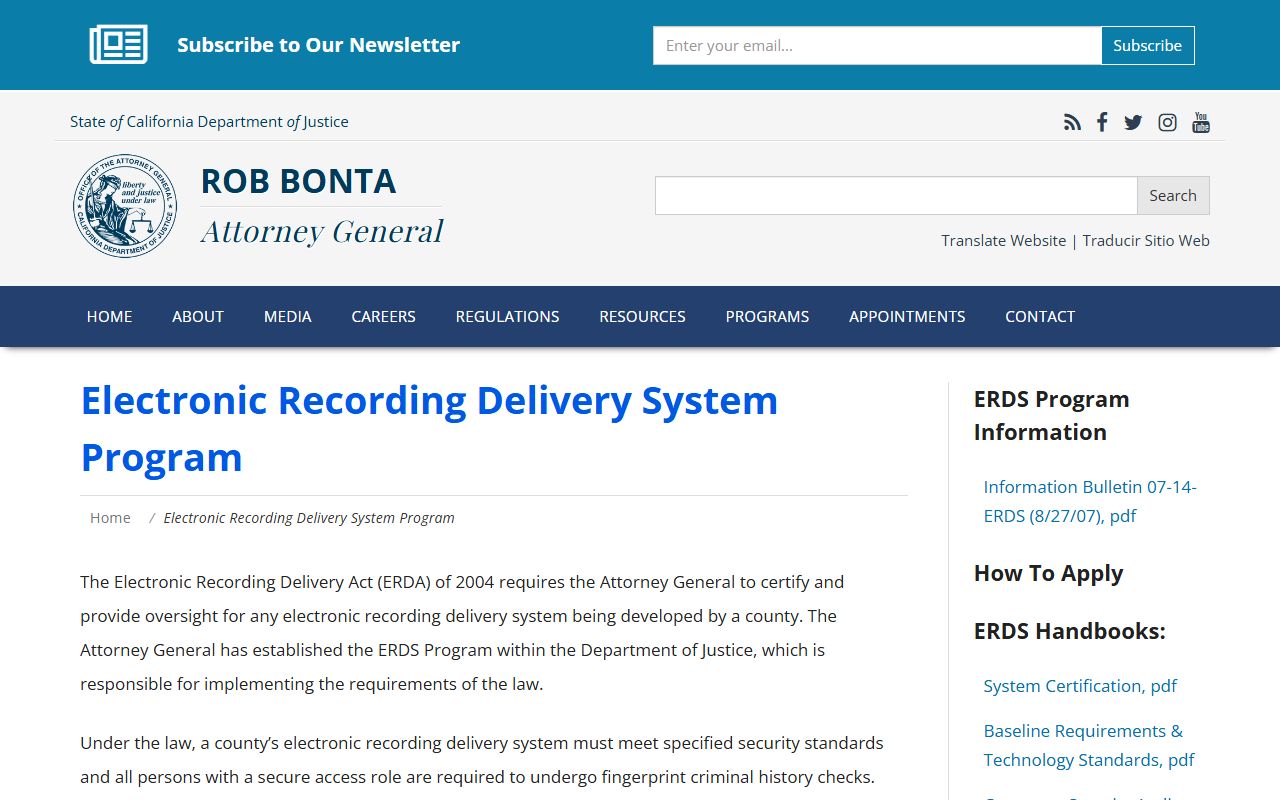
The Attorney General's office oversees electronic recording in California through the Electronic Recording Delivery Act of 2004. Many counties now accept electronic submissions through certified vendors. This speeds up the recording process and provides reliable tracking compared to paper submissions through mail or in person.
If you need help finding deeds or understanding the recording process, call during business hours. Staff can answer questions about procedures and fees but cannot provide legal advice about which type of deed to use or how to fill out forms. For legal questions, consult a real estate attorney or title company.
Search Records Online
The RIIMS database covers 1949 through 2022. You can search by grantor name, grantee name, document type, or recording date. Type in a last name to see all matching deeds. The system shows who transferred property to whom, when it was recorded, and the document type.
The online system provides index information at no cost. Viewing actual document images may require payment depending on the record type and age. Some documents have full images available online while others might require an in-person visit to view paper files or microfilm.
For deeds recorded before 1949, you must contact the office directly. Staff can search older paper indexes and archives to locate historical records. Very old documents may need special handling due to age and storage conditions. Call ahead if you need access to pre-1949 records so staff can prepare materials for your visit.
California recording laws protect your ownership rights. Civil Code Section 1213 establishes that recorded conveyances provide constructive notice to subsequent purchasers and mortgagees. This means recording your deed protects you against later claims by others who might try to assert ownership or liens against the property.
Types of Property Deeds
Grant deeds transfer ownership with limited warranties. The grantor promises they have not sold the property to anyone else and that no hidden encumbrances exist beyond those disclosed. Under California Civil Code Section 1113, these warranties are implied from the word "grant." Most home sales in California use grant deeds.
Quitclaim deeds provide no warranties. The grantor releases whatever interest they have without making promises about title quality. These work well for family transfers, clearing title problems, or divorce situations. If siblings inherit property together and want one to own it all, the others can quitclaim their shares. No money typically changes hands with quitclaim deeds.
Deeds of trust secure mortgage loans. When you finance a home purchase, you sign a deed of trust giving the lender a security interest. If you default, they can foreclose. After you pay off the loan, the lender files a reconveyance deed releasing their claim. Both documents appear in the public record and show up in property searches.
Other documents include liens and easements. Tax liens from unpaid property or income taxes. Mechanic's liens from contractors who did not get paid. Utility easements allowing companies to maintain lines across private land. All of these affect property ownership and must be addressed before you can sell with clear title.
How to Record Documents
Recording in person is fastest. Visit 221 South Mooney Boulevard, Room 103, with your original document and payment. The clerk checks it meets formatting requirements, calculates the fee, and processes it immediately. You leave with your recorded copy showing the official stamp and recording information.
You can also record by mail. Send your original document plus payment to the address above. Include a self-addressed stamped envelope if you want the deed returned after recording. Processing takes one to two weeks depending on mail volume. Always use a check or money order made payable to Tulare County Clerk-Recorder. Never send cash.
Electronic recording may be available through certified vendors approved under the Electronic Recording Delivery Act. Title companies and law firms commonly use this method for speed and reliability. Documents upload electronically and record within hours rather than days or weeks. This costs more but provides significant time savings for urgent transactions.
All documents must meet California recording standards. One-inch margins on sides and bottom, three inches at top for the recorder stamp. Text must be legible in at least 8-point font. Signatures need notarization with the notary's commission number and expiration date shown. Missing these requirements causes rejection and delay.
California law requires property transfers to be in writing. Civil Code Section 1091 states that real property estates can only transfer by operation of law or by written instrument signed by the person disposing of the interest. Verbal agreements are not enforceable for real estate transfers.
Documentary Transfer Tax
Transfer tax applies when property sells for money or other consideration. California charges 55 cents per $500 of the sale price. If you sell land for $250,000, the tax is $250,000 divided by $500, times $0.55, which equals $275. This tax must be paid when recording the deed.
Certain transfers are exempt. Gifts with no monetary consideration. Transfers between spouses due to divorce. Transfers to satisfy a debt that existed before the transfer. The deed must declare the exemption reason or state the full value. False statements about consideration can result in penalties and back taxes.
Tulare County does not impose additional city transfer taxes. The standard California rate applies throughout the county. This keeps closing costs lower compared to coastal urban areas where cities add substantial transfer taxes on top of the basic state and county rates.
Cities in Tulare County
Tulare County contains several incorporated cities. All property deeds within city limits must be recorded with the Tulare County Clerk-Recorder in Visalia. The only city over 100,000 population is:
Other cities in the county include Tulare, Porterville, Dinuba, Lindsay, Exeter, Farmersville, and Woodlake. While these cities fall below the 100,000 population threshold, all deed recording for properties within their boundaries happens at the same county clerk-recorder office in Visalia.
Adjacent Counties
If your property lies outside Tulare County boundaries, check these neighboring counties: